Prioritizing Senior Health and Self-Care Every August, National Wellness Month reminds us to pause and take stock of our health habits. For older adults and...
Find Real-Time Local Care Availability
Real Time Availability
All providers are able to report real-time availability at no charge. Families can contact the provider when they are ready
Family Sharing
Create a list of care & housing providers, filter the list to your specific needs, then share that list with family members via text or email.
Planning
Search for availability, share a list with decision makers, view images and brochures online to narrow options & expedite decisions.

Dating Later in Life: A New Chapter, Not A Do-Over
I never imagined I would be dating again in my 50s. Then I never thought I would marry again. Somewhere between those two thoughts, I...

Making Home and Getting Dressed Easier
A Practical Guide to Accessibility Updates for Those 50 and Better A case manager once told a colleague of ours that the most dangerous room...
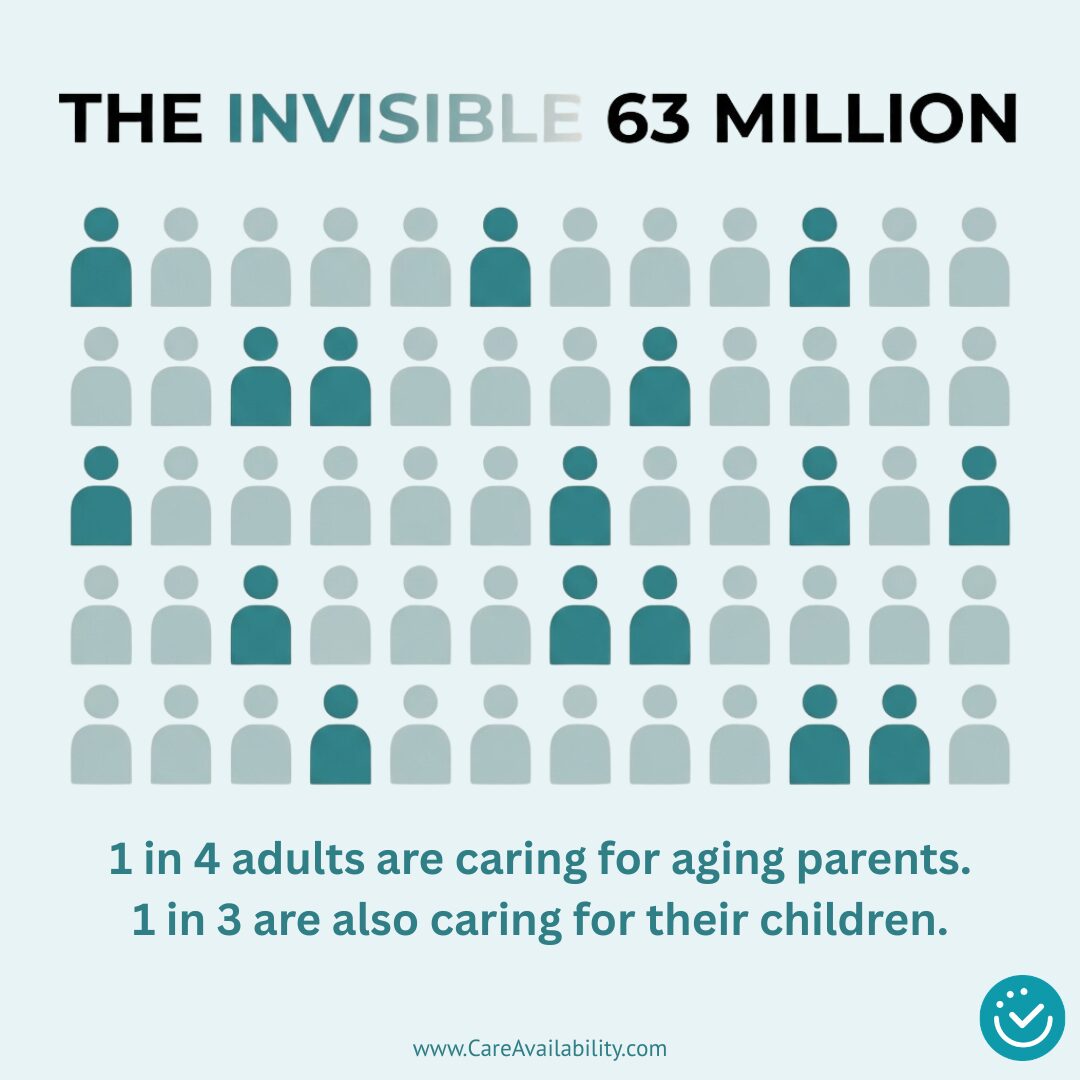
How to Navigate Caring for Aging Parents While Raising Your Own Kids
You’re raising kids and caring for a parent. You’re not alone, and you don’t have to figure this out by yourself. It’s 11pm. You just...

What the Medicare GLP-1 Bridge Program Means for Those 50 and Better
Starting July 1, 2026, Medicare is launching something new [1]. The GLP-1 Bridge program will give eligible Medicare Part D beneficiaries access to certain weight-loss...

LGBTQ+ Seniors and the Search for Inclusive Communities
When Finding Care Means Finding Safety Seventy-five percent of people over 65 will require long-term care services at some point. That statistic applies to everyone....

A Practical Guide to Beating the Summer Heat
Keeping Those 50 and Better Safe This Summer Summer brings longer days, outdoor activities, and time with family. It also brings heat that can turn...

Juneteenth: The History Behind the Holiday
When Information Finally Arrived: The Story Behind Juneteenth June 19, 1865. A Union soldier rides into Galveston, Texas, and reads General Order No. 3 aloud...

Where You Retire Can Mean Tens of Thousands of Dollars Over a Decade: A Practical Guide to State-by-State Differences
The Question Most Retirement Plans Skip Most retirement planning conversations focus on when to retire. How much to save. When to claim Social Security. Whether...

The Blood Test That Could Change Alzheimer’s Forever
A blood test could tell you if you’re developing Alzheimer’s disease… 20 years before symptoms appear. That’s not a headline from a sci-fi magazine. That’s...

Alzheimer’s Forum in Washington D.C. : Why Federal Policy Can Change Everything
This week, I am in Washington D.C. asking Congress to act on Alzheimer’s Disease. Here is why I go. I have worked in senior care...

Building Healthy Brain Habits
Many of us reach our 40s, 50s, and early 60s with a quiet awareness that some daily habits have shifted. Sometimes these changes are intentional;...

The VA Aid and Attendance Benefit
What Veterans and Families Need to Know There is a benefit available to many veterans and their surviving spouses that, in my nearly 30 years...

Living Well With Parkinson’s
Taking Charge of Your Parkinson’s Disease For people with Parkinson’s Disease (PD), exercise is medicine. It is a vital component in maintaining balance, mobility, and...

AANHPI Heritage Month: May 2026
Many Stories, One Legacy: Celebrating Asian American, Native Hawaiian, and Pacific Islander Heritage Month Every May, the United States pauses to recognize and celebrate the...

Finding Affordable Senior Housing
What You Need to Know About Income-Qualified Communities For many older adults, finding safe, comfortable, and affordable housing is one of the most important decisions...

Staying Active Through Volunteering
Find Purpose and Connection Through Giving Back Staying active and involved in the community is one of the best ways for older adults to maintain...

Parkinson’s Awareness Month: April 2026
Understanding Parkinson’s Disease This Awareness Month Every April, the world turns a shade of silver-gray in recognition of Parkinson’s Awareness Month, a time to pause,...

The Comfort of Companionship in Memory Care
Why Sharing a Studio Can Change Everything Moving a loved one into Memory Care often starts with a checklist. Safety. Medical support. Comfort. Structure. These...

Women’s History Month: March 2026
A Celebration of Courage, Leadership & Change Every March, the United States, along with countries around the world, pauses to honor the extraordinary contributions of...
Now serving the following cities & surrounding areas:
- Portland
- Vancouver
- Medford
- Salem
- Seattle
- Tacoma
- Beaverton
- Corvallis
- Albany
- Grants Pass
- Klamath Falls
- Roseburg
[contact-form-7 id="30563" title="Newsletter Subscription Form"]
Care Availability, PO Box 820067 Portland OR, 97282 - (503) 505-5865