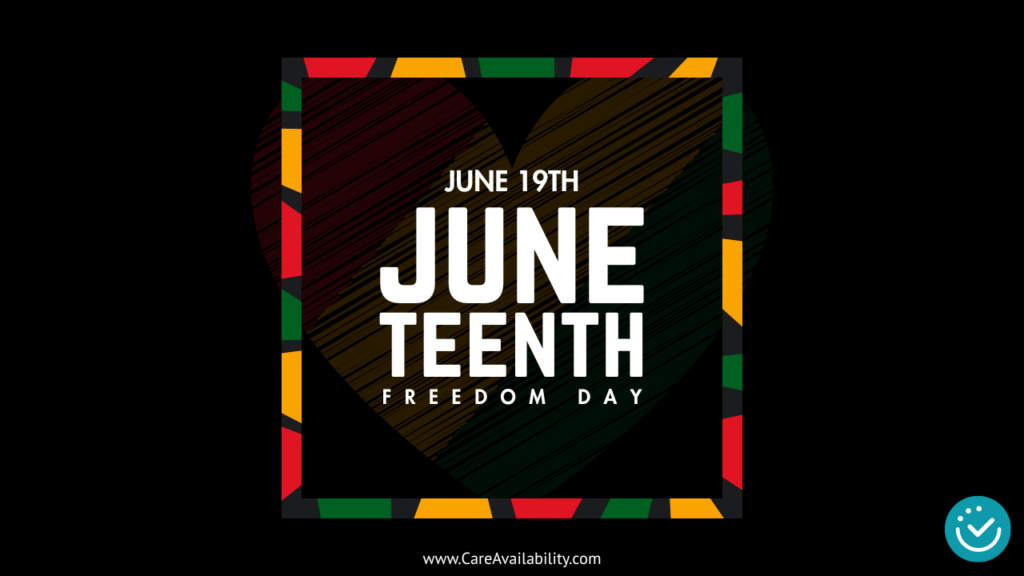
When Information Finally Arrived: The Story Behind Juneteenth
June 19, 1865. A Union soldier rides into Galveston, Texas, and reads General Order No. 3 aloud to a crowd of enslaved people. The message is simple: you are free.
What that crowd didn’t know was that President Abraham Lincoln had signed the Emancipation Proclamation two and a half years earlier, on January 1, 1863. The news had simply never reached them. Enslavers in the remote reaches of Texas had no reason to share it, and without enforcement, the proclamation had no power in Confederate territory.
That June day in 1865 wasn’t the legal beginning of freedom. It was the moment freedom finally arrived.
The First Celebrations
The very next year, in 1866, the first Juneteenth celebrations took shape in Texas. Freed Black communities gathered for church services, public readings of the Emancipation Proclamation, and communal meals with music, dancing, and prayer. These weren’t just parties. They were acts of memory and defiance, a way of saying: this day matters, and we will not let it be forgotten.
As African Americans migrated to other parts of the country through the late 1800s and well into the 20th century, they carried the tradition with them. Juneteenth spread from Texas to cities and towns across America, celebrated in backyards, churches, and community centers wherever Black families had put down roots.
A Long Road to Recognition
For most of its history, Juneteenth was celebrated within Black communities while the broader country paid little attention. That began to change in the late 20th century as awareness grew. By 1980, Texas had officially recognized it as a state holiday. Other states followed, slowly, over the decades that followed.
In 2021, President Biden signed the Juneteenth National Independence Day Act into law, making it a federal holiday. It was the first new federal holiday recognized since Martin Luther King Jr. Day in 1983.
What the Day Means Today
Today, Juneteenth is observed with community parades, festivals, educational programs, family gatherings, and conversations about racial justice and equality. The music of jazz, blues, and gospel fills public spaces. Museums and schools mark the occasion with programs designed to make sure younger generations understand what it commemorates.
At CareAvailability.com, we serve communities across the country, including the older adults who lived through the Civil Rights Movement and the generations of caregivers who carry those stories forward. Juneteenth is a reminder that the right information, reaching the right people at the right time, has always mattered. In 1865, it changed lives. That principle still holds.
We honor the history, the resilience, and the ongoing work of building a more just and equitable country. Happy Juneteenth.