Prioritizing Senior Health and Self-Care
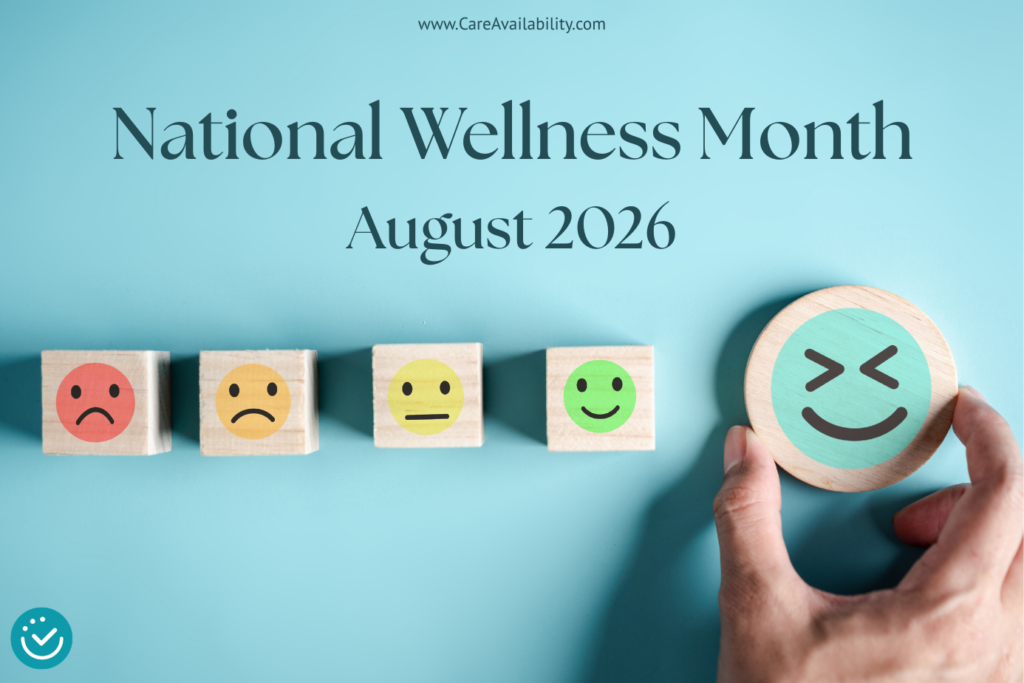
Every August, National Wellness Month reminds us to pause and take stock of our health habits. For older adults and the families who care for them, this is a perfect opportunity to focus on what truly matters: staying active, staying connected, and taking time for self-care. Whether you’re a senior looking to refresh your routine or a caregiver hoping to support a loved one, here are meaningful ways to make the most of National Wellness Month this August.
Why Wellness Matters More as We Age
Wellness isn’t just about avoiding illness, it’s about maintaining independence, joy, and a sense of purpose. As we age, our bodies and needs change, but the fundamentals of a healthy lifestyle remain the same: move often, eat well, stay socially engaged, and nurture mental health. Small, consistent habits can have an outsized impact on quality of life, energy levels, and even longevity.
Physical Health: Moving with Purpose
Regular movement is one of the most powerful tools for healthy aging. It doesn’t have to mean intense workouts, consistency matters more than intensity.
- Low-impact exercise. Walking, swimming, chair yoga, and tai chi improve balance, flexibility, and cardiovascular health while being gentle on joints.
- Strength training. Light resistance exercises help preserve muscle mass and bone density, reducing fall risk.
- Regular check-ups. Wellness Month is a great reminder to schedule annual physicals, vision and hearing screenings, and medication reviews with a physician.
- Nutrition. Focus on whole foods rich in fiber, lean protein, and healthy fats. Staying hydrated is especially important, as thirst signals often diminish with age.
Mental and Emotional Well-Being
Mental health is just as important as physical health, yet it’s often overlooked in senior care conversations.
- Stay mentally active. Puzzles, reading, learning a new skill, or picking up a hobby can help keep the mind sharp.
- Practice mindfulness. Simple breathing exercises, meditation, or quiet reflection can reduce stress and improve emotional resilience.
- Watch for signs of isolation or depression. Changes in mood, appetite, or sleep patterns are worth discussing with a healthcare provider.
The Power of Social Connection
Loneliness is one of the most significant, and often invisible, health risks for older adults. Research consistently links social isolation to higher risks of cognitive decline, heart disease, and depression.
- Encourage regular visits or phone calls with family and friends.
- Explore community programs, senior centers, or faith groups.
- Consider group activities like book clubs, walking groups, or volunteer opportunities.
- If mobility or transportation is a barrier, in-home caregiving support can help seniors stay engaged with the people and activities they love.
Self-Care Isn’t Selfish
For seniors, self-care might look like an afternoon nap, a favorite hobby, time in the garden, or simply saying no to obligations that feel overwhelming. For family caregivers, self-care is just as essential. Caregiver burnout is real, and taking breaks isn’t a luxury, it’s a necessity for sustainable, quality care.
Some simple self-care ideas to try this August:
- Set aside 15 minutes a day for something enjoyable, screen-free.
- Get outside for fresh air and natural light.
- Prioritize sleep hygiene with a consistent bedtime routine.
- Ask for help when needed — from family, friends, or professional caregiving services.
A Note for Family Caregivers: Rest Is Part of the Job
It’s easy for caregivers to put their own needs last, but running on empty ultimately makes it harder to provide good care. Regular breaks aren’t a sign of giving up, they’re what makes long-term caregiving sustainable.
- Build breaks into the routine. Even a short walk, a coffee with a friend, or an hour to yourself can help reset energy and patience.
- Use respite care. Short-term or part-time professional caregiving support gives family caregivers permission to step away, knowing their loved one is safe and cared for.
- Share the load. Rotate responsibilities with siblings, other family members, or friends when possible, rather than carrying everything alone.
- Watch for burnout signs. Exhaustion, irritability, trouble sleeping, or feeling resentful are all signals it’s time to ask for more support, not signs of failure.
- Join a caregiver support group. Connecting with others in similar situations can reduce feelings of isolation and offer practical tips.
Taking care of a caregiver’s own health and well-being isn’t separate from caring for a loved one, it’s part of it.
Making Wellness a Year-Round Habit
National Wellness Month is a wonderful starting point, but the goal is to carry these habits forward all year. Small, sustainable changes, like a daily walk, a weekly phone call with a grandchild, a balanced plate at dinner, add up to a healthier, more fulfilling life over time.
At Care Availability.com, we believe wellness is a team effort. Whether it’s coordinating in-home care, offering companionship, or supporting a loved one’s daily routine, the right support can make it easier for seniors to prioritize their health with confidence and dignity.
This August, take one small step toward better wellness, for yourself or someone you love.