Skilled Nursing
Skilled Nursing Providers
Browse 15,397 providers across 303 cities in 50 states. Page updated · Provider listings and openings update live.
What is Skilled Nursing?
Skilled Nursing Facilities (SNFs), commonly called Nursing Homes, provide the highest level of medical care available outside of a hospital. They are staffed 24 hours a day by licensed registered nurses, licensed practical nurses, and certified nursing assistants, supported by a full rehabilitation team including physical, occupational, speech, and respiratory therapists.
Skilled nursing is appropriate when an individual has complex medical needs that cannot safely be managed at home or in an Assisted Living setting. This includes people recovering from surgery or a hospital stay, managing a serious infection or neurological event, or living with a chronic condition that requires continuous clinical supervision.
SNF is the Medicare and Medicaid regulatory term for these facilities. Care is always directed by a physician, and every resident has a formal, individualized care plan reviewed on a regular schedule by the full treatment team.
What Conditions Bring People to Skilled Nursing?
Skilled nursing is typically prescribed following or during:
- Hip or knee replacement surgery and other orthopedic procedures
- Stroke or traumatic brain injury requiring intensive rehabilitation
- Cardiac events such as heart failure or heart attack
- Serious infections including sepsis, cellulitis, or complex urinary tract infections
- Post-surgical wound care and monitoring
- Neurological conditions including Parkinson's disease and multiple sclerosis
- Respiratory conditions requiring ventilator support or oxygen management
- Cancer-related care and palliative services
How Skilled Nursing Differs from Other Care Types
By the numbers:
- Approximately 15,000 Medicare- and Medicaid-certified skilled nursing facilities operate across the United States. (CMS, 2024)
- More than 1.2 million Americans reside in skilled nursing facilities on any given day. (CDC National Center for Health Statistics)
- The average Medicare-covered SNF stay is approximately 27 days. (MedPAC, 2023)
- About 20 percent of Medicare hospitalizations result in a discharge to a skilled nursing facility. (JAMA, 2022)
Benefits of Skilled Nursing
Skilled nursing serves two distinct groups, and understanding which applies to your situation sets realistic expectations.
Short-term Rehabilitation
Most Medicare-covered stays fall into this category. Residents arrive following a hospitalization for a joint replacement, stroke, serious infection, or cardiac event and work toward regaining function and returning home. Stays typically range from two to six weeks. The focus is intensive daily therapy and medical stabilization.
Long Term Residential Care
Some residents require skilled nursing on a permanent or indefinite basis. These are typically individuals with terminal illness, advanced dementia, significant disability, or conditions that make safe independent living impossible. Long-term care continues as long as the individual's medical and functional needs require that level of support.
Core Benefits
24-Hour Nursing Coverage: Registered nurses and licensed practical nurses are on duty around the clock. Medical changes are managed on-site by trained clinical staff, not by calling 911 or waiting for a home health visitor.
Physician-Supervised Care Plans: Every resident has a physician-directed care plan reviewed regularly by the treatment team. Attending physicians or nurse practitioners conduct routine visits and receive direct communication when a resident's condition changes.
Comprehensive Rehabilitation Services: Physical therapy, occupational therapy, speech-language pathology, and respiratory therapy are available on-site. Daily rehabilitation is the primary driver of successful return-to-home outcomes for short-term residents.
Complex Medical Management: Skilled nursing facilities are equipped to manage conditions that would otherwise require hospitalization: IV antibiotic therapy, wound care, ventilator and trach management, post-surgical monitoring, and dialysis coordination.
Medicare Coverage for Qualifying Stays: For qualifying post-hospital stays, Medicare Part A covers the full cost for the first 20 days. Days 21 through 100 are covered with a daily coinsurance of $204.00 per day in 2024. (Medicare.gov, 2024)
Coordinated Discharge Planning: Social workers and discharge planners help coordinate the transition home or to a lower level of care, including arranging home health services, durable medical equipment, and follow-up appointments before the resident leaves.
Medication Management: Licensed nurses administer all medications, reducing the risk of errors, missed doses, or dangerous drug interactions -- a significant benefit for residents managing multiple prescriptions for chronic conditions.
Nutritional Support: Registered dietitians assess residents and coordinate with the culinary team on medically appropriate meals. SNFs support diabetic diets, renal diets, low-sodium requirements, and dysphagia (swallowing difficulty) protocols.
What to Expect in Skilled Nursing
Upon admission, a licensed nurse completes a baseline health assessment and reviews the physician's orders and hospital discharge summary. Federal regulations require the facility to complete a comprehensive Minimum Data Set (MDS) assessment within 14 days of admission. This assessment drives the individualized care plan and determines the Medicare payment category.
Within 21 days, the facility must hold a care conference involving the resident, family members or legal representative, and the core care team. This is one of the most important meetings a family can attend. Come prepared with questions about therapy goals, expected discharge timeline, medication changes, and any concerns about the plan of care.
Daily Life in a Skilled Nursing Facility
Nursing care is continuous. Staff monitor vital signs, manage wound care, and administer medications throughout the day and night. For short-term residents, daily rehabilitation sessions typically run one to three hours depending on therapy orders and insurance coverage.
Room types vary by facility. Most offer both semi-private (shared) and private rooms. Private rooms carry a higher daily rate. Residents are encouraged to bring personal items -- photographs, familiar bedding, a favorite chair -- to make the space feel like home.
Meals are served three times daily, typically in a communal dining room. Residents who need feeding assistance receive it from nursing aides. Therapeutic diets are coordinated by the dietary team.
Activities and social programming are required by federal regulation. Facilities must provide programming that addresses residents' physical, social, and emotional wellbeing. Most offer scheduled exercise classes, music and pet therapy, spiritual services, and organized group activities.
Resident Rights
Federal law guarantees skilled nursing residents a set of protected rights, including:
- The right to be informed of their medical condition and care plan
- The right to participate in care planning decisions
- The right to refuse treatment
- The right to privacy in their room and during personal care
- The right to voice grievances without retaliation
- The right to receive visitors of their choosing at any time
- The right to manage their own finances or designate someone to do so
Facilities must provide a written description of these rights at admission. Most states have a Long-Term Care Ombudsman program that advocates for residents and receives complaints. (Administration for Community Living, ACL.gov)
Staffing: What To Know
Staffing levels directly affect the quality of care. CMS tracks and publishes staffing data for every certified nursing facility through the Nursing Home Care Compare tool at Medicare.gov. Key metrics include:
- Registered nurse hours per resident per day (national average: approximately 0.7 hours)
- Total nursing hours per resident per day (national average: approximately 3.9 hours)
- Turnover rate and weekend staffing levels
In 2024, CMS finalized a rule requiring nursing homes to provide a minimum of 3.48 total nursing hours per resident per day, including at least 0.55 hours from a registered nurse. (Federal Register, April 2024)
How to Pay for Skilled Nursing
Paying for skilled nursing care depends on several factors: the level of care needed, the individual's income and savings, the state and location of the facility, and whether the resident is a veteran. Skilled nursing is one of the few senior care types with significant public funding options, though private pay remains the primary source for many families.
PRIVATE PAY -- YES
Many families cover skilled nursing costs entirely with private funds, including retirement savings, personal savings, pension income, and investment accounts. Family contributions are also common. Private pay gives families the most flexibility in choosing a facility.
MEDICARE -- MAYBE
Medicare Part A covers skilled nursing care only under specific conditions:
- The individual is age 65 or older, or has a qualifying disability
- The person has a qualifying hospital stay of three consecutive midnights or more
- The individual enters the SNF within 30 days of leaving the hospital
- A physician has ordered inpatient SNF services
- The individual needs and receives skilled care on a daily basis
- The care must be provided in a Medicare-certified SNF
Coverage structure for 2024:
- Days 1 through 20: $0 out of pocket (100% covered)
- Days 21 through 100: $204.00 daily coinsurance
- After day 100: No Medicare coverage; resident is responsible for full cost
(Medicare.gov, 2024)
MEDICAID -- MAYBE
Medicaid is a joint federal and state program that can cover long-term skilled nursing costs for individuals who meet both medical and financial eligibility requirements. Eligible participants include low-income adults, elderly adults, and people with disabilities.
Skilled nursing falls under Medicaid's Nursing Facility Services benefit. Eligibility criteria, income and asset limits, and reimbursement rates vary by state. Every state has its own Medicaid program, and not all facilities accept Medicaid as payment.
To determine eligibility, contact your state Medicaid office or a local eldercare benefits counselor. You can also apply directly at Medicaid.gov.
LONG-TERM CARE INSURANCE -- MAYBE
Long-term care insurance policies are designed specifically to cover services like skilled nursing, assisted living, and home care. Policies purchased earlier in life (typically in a person's 50s or 60s) have lower premiums and broader coverage.
Nearly 70 percent of people age 65 and older will need some form of long-term care during their lifetime. (U.S. Department of Health and Human Services, LongTermCare.gov) Planning ahead significantly reduces the financial burden on individuals and families.
Policy benefits vary widely. Review the elimination period, daily benefit amount, benefit period, and inflation protection before selecting a policy.
VETERANS BENEFITS -- MAYBE
The VA Aid and Attendance benefit is available to some veterans and surviving spouses who require assistance with daily activities or reside in a care facility. Monthly benefit amounts for 2024:
- Veteran requiring care: up to $2,300 per month
- Veteran with an ill spouse: up to $1,849 per month
- Surviving spouse of a veteran: up to $1,478 per month
(U.S. Department of Veterans Affairs, Benefits.VA.gov, 2024)
Additional VA programs include Community Living Centers (VA-operated nursing homes) and the Veteran-Directed Care program. Eligibility is based on service history, discharge status, and medical need.
Choosing a Skilled Nursing Facility
Choosing the right skilled nursing facility is one of the most important decisions a family will make. Quality varies significantly from one facility to the next, and the factors below give you a structured way to compare options.
CMS Star Ratings
The Centers for Medicare and Medicaid Services publishes a 5-star quality rating for every certified skilled nursing facility through the Nursing Home Care Compare tool at Medicare.gov. Ratings are based on three categories: health inspections, staffing levels, and quality measures. Each category receives its own star rating in addition to an overall rating.
A 5-star overall rating is the highest. A 1-star rating indicates below-average performance across multiple categories. Review each individual category rather than relying solely on the overall score -- a facility may rate high on quality measures but low on recent inspection findings.
Staffing Levels
Staffing is one of the strongest predictors of care quality. Research consistently links higher registered nurse hours per resident per day with better clinical outcomes, fewer hospitalizations, and lower mortality rates. When evaluating a facility, ask specifically about:
- Registered nurse hours per resident per day
- Total nursing hours per resident per day
- Whether RN staffing is consistent on nights and weekends, not just day shifts
- Staff turnover rates -- high turnover affects continuity of care
Specialty Capabilities
Not all skilled nursing facilities offer the same clinical services. If your loved one has specific needs, confirm the facility can support them before choosing:
- Ventilator care or tracheostomy management
- Dialysis on-site or reliable transport to a dialysis center
- Memory care or secured dementia unit
- Bariatric care and appropriate equipment
- Certified wound care nurses
- IV therapy and infusion services
- Cardiac monitoring
Inspection Reports
State health departments inspect certified SNFs and report findings to CMS. These inspection reports are publicly available on Medicare.gov and document any deficiencies cited, their severity level, and whether they were corrected. Review the most recent two to three years of inspections for any pattern of concerns related to resident safety, neglect, medication errors, or staffing.
Rehabilitation Outcomes
For short-term rehab stays, ask the facility:
- What percentage of short-term residents are discharged back to home or community settings?
- What is the average length of stay for post-surgical rehabilitation?
- How many therapy hours per day are typically provided?
- Which therapy disciplines are on staff full-time versus contracted?
Visit in Person -- And Visit Unannounced
Schedule a formal tour, but also visit a second time without an appointment. Observe:
- Are call lights answered promptly?
- Do residents appear clean, dressed, and engaged?
- Is the facility free of strong odors that could indicate hygiene concerns?
- Are staff interactions with residents respectful?
- Are common areas active, or largely empty?
Your impressions during an unannounced visit are often more accurate than what you see on a scheduled tour.
Questions To Ask The Admissions Team
- Is the facility currently Medicare and Medicaid certified?
- Has the facility's license ever been revoked or placed on a watch list?
- What is the current CMS star rating, and has it changed in the past year?
- What types of insurance does the facility accept?
- Can the facility accommodate all of the resident's specific medical and dietary needs?
- What is the process for communicating changes in a resident's condition to the family?
- What is the visitor policy, including hours and protocols?
- Does the facility have a resident council and family council?
- What is the grievance process if a family member has a complaint?
- What personal items should a new resident bring?
- What happens to a resident's room and belongings if they are hospitalized?
- Can patients request meals for specific dietary or cultural needs?
Licensing and Certification
Skilled nursing facilities in the United States operate under overlapping federal and state oversight systems.
Federal Certification
To receive Medicare and Medicaid reimbursement, a skilled nursing facility must be certified by the Centers for Medicare and Medicaid Services (CMS). Certification requires compliance with federal Conditions of Participation, which govern staffing ratios, care planning, resident rights, and infection control.
CMS contracts with state health departments to conduct on-site surveys at least annually, and more frequently when complaints are filed. Survey results and deficiency citations are publicly reported on Medicare.gov's Nursing Home Care Compare tool.
Not all skilled nursing facilities choose to accept Medicare or Medicaid. These are payment sources, not care standards. Facilities that do not accept these payers are not subject to the same federal certification requirements.
State Licensing
All skilled nursing facilities must hold a current state license to operate, regardless of Medicare or Medicaid participation. In most states, the Department of Health or the Department of Health and Human Services oversees facility licensing. State standards may exceed federal minimums and vary significantly from state to state.
State agencies investigate complaints, issue citations, and have the authority to fine, suspend, or revoke a facility's license. Licensing histories are typically available through the state health department website.
Staffing Credentials
Registered Nurses (RNs) Must complete an accredited nursing program (ADN or BSN) and pass the NCLEX-RN licensing examination. Most states require continuing education credits for license renewal every two years.
Licensed Practical Nurses (LPNs) Complete a state-approved practical nursing program and pass the NCLEX-PN examination. LPNs provide direct patient care under the supervision of an RN or physician.
Certified Nursing Assistants (CNAs) Must complete a state-approved training program (federal minimum of 75 hours; many states require more) and pass a state competency evaluation. Federal law requires SNFs to conduct background checks and maintain a state nurse aide registry.
Therapists Physical therapists, occupational therapists, and speech-language pathologists must each hold a state license and, in most cases, a graduate degree in their specialty.
2024 STAFFING RULE In April 2024, CMS finalized a staffing rule requiring all Medicare- and Medicaid-certified nursing homes to provide:
- A minimum of 3.48 total nurse staffing hours per resident per day
- At least 0.55 hours from a registered nurse per resident per day
- At least 2.45 hours from a certified nursing assistant per resident per day
- A registered nurse on-site 24 hours per day, 7 days per week
- Facilities have until 2026 to 2029 to comply with the new minimums depending on location and current staffing levels. (Federal Register, CMS Final Rule, April 2024)
Resources & Links
Eldercare Locator (eldercare.acl.gov) A nationwide service that connects older Americans and their caregivers with local support resources including meals, home care, transportation, and caregiver respite. A public service of the Administration on Aging, an agency of the U.S. Administration for Community Living.
Medicare Nursing Home Care Compare (medicare.gov/care-compare) The official CMS database for researching and comparing skilled nursing facilities nationwide. Includes star ratings, staffing data, health inspection reports, and quality measures for every certified facility.
Medicaid (medicaid.gov) Information on eligibility, how to apply, state-specific programs, income and asset guidelines, and links to local state offices.
Long-Term Care Ombudsman Program (acl.gov/programs/protecting-rights-and-preventing-abuse/long-term-care-ombudsman-program) Every state has a Long-Term Care Ombudsman who advocates for residents of nursing facilities and assisted living communities. Ombudsmen investigate complaints, support residents' rights, and provide information about care options at no cost to families.
VA Benefits for Veterans (benefits.va.gov/pension/aid-attendance-housebound.asp) Information on the VA Aid and Attendance benefit, Community Living Centers, and other VA-sponsored care programs for eligible veterans and surviving spouses.
The Alzheimer’s Association (alz.org) The leading voluntary health organization in Alzheimer's care, support, and research. Provides resources for individuals, caregivers, and families navigating skilled nursing or memory care placement.
AARP Caregiving Resources (aarp.org/caregiving) Research, guides, and tools for family caregivers, including information on evaluating nursing homes, understanding resident rights, and navigating care transitions.
CareAvailability.com Search and compare skilled nursing facilities in your area with provider details, location information, and direct contact options. [internal link to directory]
Citations and Source References
The following sources are cited in this article.
- National Center for Assisted Living (NCAL). Assisted Living State Regulatory Review. 2024. ahcancal.org/Assisted-Living/Policy/Pages/state-regulations.aspx
- CareScout / Genworth Financial. Cost of Care Survey. 2024. carescout.com/cost-of-care
- Centers for Medicare and Medicaid Services. What Medicare Covers. 2024. medicare.gov
- Medicaid.gov. Medicaid Eligibility and Home and Community-Based Services. 2024. medicaid.gov
- U.S. Department of Veterans Affairs. Aid and Attendance and Housebound Benefits. 2024. va.gov/pension/aid-attendance-housebound
- Administration for Community Living. Long-Term Care Ombudsman Program. 2024. acl.gov/programs/Protecting-Rights-and-Preventing-Abuse/Long-term-Care-Ombudsman-Program
- Administration for Community Living. Eldercare Locator. eldercare.acl.gov
- U.S. Government Accountability Office. Long-Term Care: Information on the Ombudsman Program. GAO-24-107209. 2024. gao.gov/products/gao-24-107209
- National Long-Term Care Ombudsman Resource Center. ltcombudsman.org
- National Consumer Voice for Quality Long-Term Care. theconsumervoice.org
- Oregon Department of Human Services. Adult Foster Homes. oregon.gov/odhs
- Washington State Department of Social and Health Services. Residential Care Services -- Adult Family Homes. dshs.wa.gov
- Adult Family Home Council. Adult Family Home Regulations in Washington. adultfamilyhomecouncil.org
- California Department of Social Services. Adult Care Licensing Program. cdss.ca.gov/inforesources/adult-care-licensing
- Texas Health and Human Services Commission. Assisted Living Facilities. Texas Administrative Code Title 26 Chapter 553. 2024. hhs.texas.gov
- New York State Department of Health. Adult Care Facility Services. health.ny.gov/facilities/adult_care
- Alzheimer's Association. Dementia and Memory Care Resources. 2024. alz.org
- AARP. Caregiving Resources and Guides. aarp.org/caregiving
- National Academy of Elder Law Attorneys (NAELA). naela.org
- National Council on Aging. BenefitsCheckUp. benefitscheckup.org
Frequently Asked Questions
Common Questions About Skilled Nursing
Can a skilled nursing facility discharge a resident involuntarily?
Federal law limits the circumstances under which a facility may discharge a resident without consent. Valid reasons include: the resident's health has improved and they no longer require SNF level care; the resident's needs cannot be met by the facility; the health or safety of other residents is endangered; the resident has not paid for services after reasonable notice; or the facility closes. The facility must provide written notice at least 30 days in advance in most cases, and residents have the right to appeal.
How are complaints and grievances handled?
Every certified SNF must have a formal grievance process. Families can submit concerns directly to the facility's administrator or social worker. If the concern is not resolved, they can contact the state Long-Term Care Ombudsman, an independent advocate who investigates complaints at no cost. Contact information for your state's ombudsman is available through the Eldercare Locator at eldercare.acl.gov.
Do skilled nursing facilities have to allow family visits at any time?
Under federal law, residents have the right to receive visitors of their choosing at the time of their choosing. Facilities may set reasonable visiting hours for the general public, but cannot restrict access from a resident's chosen visitors when the resident wants to see them.
Are skilled nursing facilities required to provide activities?
Yes. Federal regulations require SNFs to provide ongoing activities that meet each resident's physical, mental, and social wellbeing needs. A qualified activities director must assess residents and develop individualized activity plans, which may include exercise programs, arts and crafts, music therapy, pet therapy, religious services, and outings.
What is the difference between a SNF and a nursing home?
The terms are often used interchangeably. Nursing Home is the common, informal term. SNF is the official Medicare and Medicaid regulatory designation. All Medicare- and Medicaid-certified nursing homes are technically SNFs, though some older or private-pay facilities use the term nursing home without holding SNF certification.
What is Skilled Nursing?
Skilled Nursing Facilities provide 24-hour nursing care and medical supervision for individuals with complex health needs. They offer rehabilitation services, medical management, and assistance with daily activities under the direction of licensed healthcare professionals. Usually, Skilled Nursing is short-term acute care but they may also offer long term care and intermediate care.
What is the difference between short-term and long-term skilled nursing?
Short-term skilled nursing is post-acute care following a hospitalization, with a goal of rehabilitation and discharge home. It is often covered in part by Medicare. Long-term skilled nursing is for individuals who require ongoing 24-hour nursing care indefinitely due to chronic illness, disability, or advanced age. Long-term stays are generally not covered by Medicare and are funded through Medicaid, long-term care insurance, or private pay.
What is the difference between Skilled Nursing and Assisted Living?
Skilled nursing provides 24-hour care from licensed nurses under physician supervision. It is designed for individuals with active medical needs, post-surgical recovery, or conditions requiring clinical oversight. Assisted living provides support with daily activities in a residential setting but does not include around-the-clock nursing care. If a medical condition worsens to the point that it cannot be managed in assisted living, a transfer to skilled nursing is often required.
How do I know if my loved one qualifies for Medicare coverage in a SNF?
Medicare Part A covers SNF care when the individual has had a qualifying hospital stay of three consecutive midnights, enters the SNF within 30 days of discharge, requires skilled care on a daily basis as ordered by a physician, and receives care in a Medicare-certified facility. Coverage is not automatic and must be established at admission. If Medicare coverage is denied, families have the right to appeal.
Can I choose any skilled nursing facility, or am I assigned one?
You have the right to choose any Medicare-certified skilled nursing facility that has an available bed and can meet your loved one's medical needs. The hospital discharge planner will often suggest options, but the final choice belongs to the patient or their authorized representative.
What happens when Medicare coverage ends?
When Medicare coverage runs out -- after day 100, or earlier if the individual no longer meets the daily skilled care requirement -- the family must arrange alternate payment. Options include Medicaid (if the resident meets financial eligibility), long-term care insurance, or private pay. A social worker at the facility should help families plan for this transition well before coverage ends.
Cost Comparison
Skilled Nursing Costs Across the U.S.
Most Affordable States
National figure from the Genworth/CareScout 2025 Cost of Care Survey. State figures and percentages are from the 2024 survey, the newest with state-level data. Actual costs vary by facility and care level.
Popular Cities
Top Cities for Skilled Nursing
Chicago
Illinois (IL)
Pop. 2,664,452
Phoenix
Arizona (AZ)
Pop. 1,650,070
Philadelphia
Pennsylvania (PA)
Pop. 1,550,542
Honolulu
Hawaii (HI)
Pop. 989,408
Jacksonville
Florida (FL)
Pop. 985,843
Columbus
Ohio (OH)
Pop. 913,175
Charlotte
North Carolina (NC)
Pop. 911,311
Indianapolis
Indiana (IN)
Pop. 879,293
Seattle
Washington (WA)
Pop. 777,000
Denver
Colorado (CO)
Pop. 716,577
Boston
Massachusetts (MA)
Pop. 653,833
Portland
Oregon (OR)
Pop. 630,498
Coverage Map
Skilled Nursing by State
Select a state to view cities and providers.
Related Articles
Guides & Resources for Skilled Nursing

A Full Guide To Nursing Homes In Oregon
Nursing Homes in Oregon: A Comprehensive Guide Looking for and selecting a nursing home in Oregon that checks off all…
Read article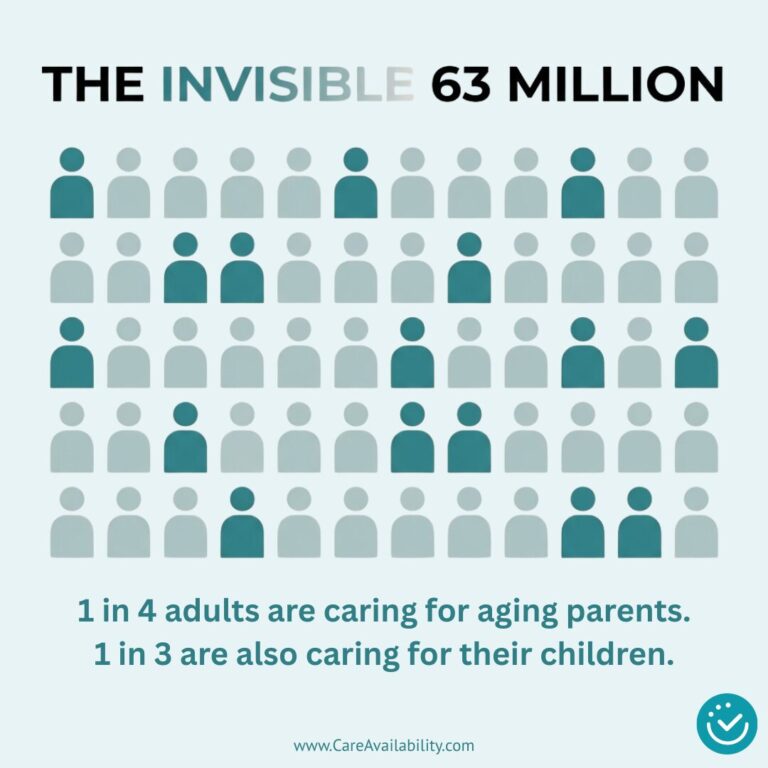
How to Navigate Caring for Aging Parents While Raising Your Own Kids
You’re raising kids and caring for a parent. You’re not alone, and you don’t have to figure this out by…
Read article
Senior Care Planning for Your Parents
A Practical Guide for Adult Children (+ SSI/SSDI Basics) For adult children navigating a parent’s health decline or long-term care…
Read article
Understanding the True Costs of Senior Living
When families begin exploring senior living options, the first question is often: “How much will this cost?” While the answer…
Read articleExplore
Other Senior Living & Care Types
Assisted Living
Residential communities offering help with daily activities, meals, and medication management.
Learn moreMemory Care
Specialized care for individuals living with Alzheimer's or other forms of dementia.
Learn moreAdult Care Homes
Smaller residential homes providing personalized care in a home-like setting.
Learn moreIndependent Living
Active retirement communities for seniors who want maintenance-free living.
Learn moreHome Care
Non-medical assistance with daily living activities delivered in your home.
Learn moreHome Health
Licensed medical care provided by nurses and therapists in your home.
Learn moreHospice Care
Comfort-focused care for individuals with terminal illness and their families.
Learn moreNeed Help Finding Skilled Nursing?
Choose your state above to see skilled nursing providers near you. Contact them directly, no middleman, no referral fees.