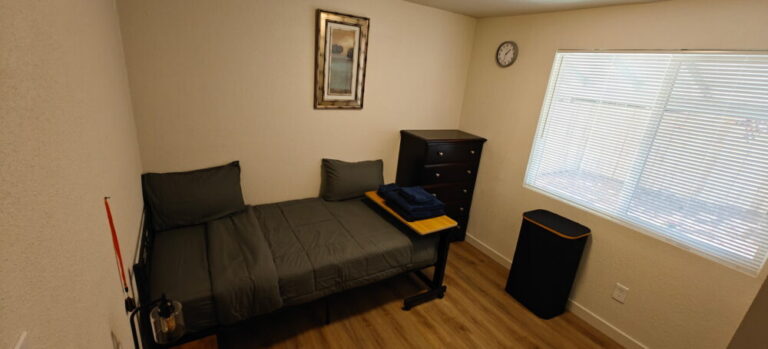
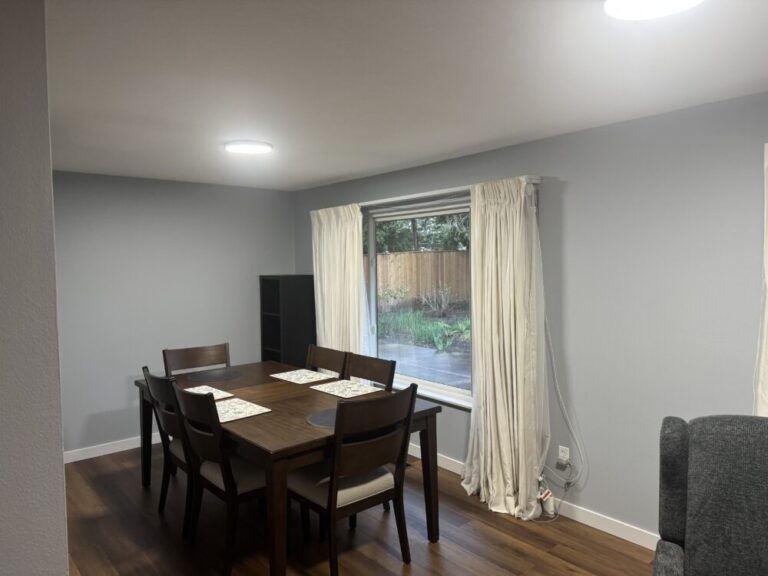
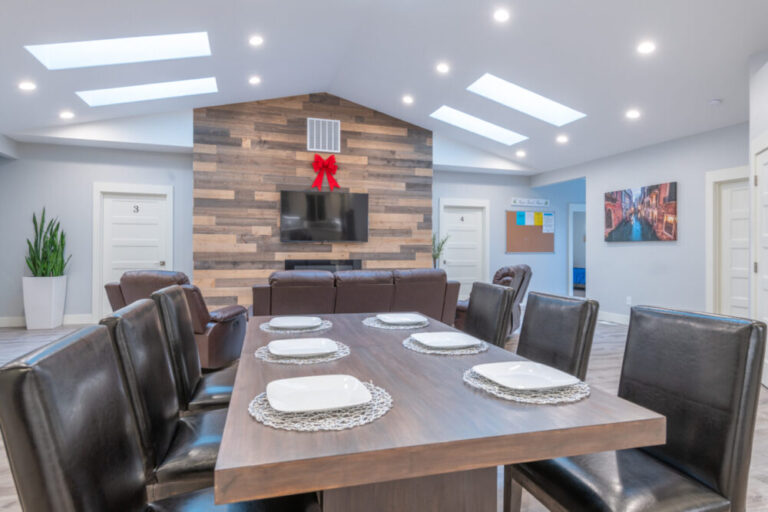
★ Premium
11.1 mi
3347 Southeast 115th Avenue Portland, OR
Adult Care Homes
1507 adult care homes providers near Vancouver
Search Providers
★ Premium
11.1 mi
3347 Southeast 115th Avenue Portland, OR
10975 Southwest Butner Road Portland, OR
7538 Carolina Ln Vancouver, WA
3608 NE 40th Ave Vancouver, WA
1445 Southeast 135th Avenue Portland, OR
10018 NE 61st Circle Vancouver, WA
10148 Southeast 96th Avenue Happy Valley, OR
4850 Southwest Menlo Drive Beaverton, OR
11375 Southwest Capitol Highway Portland, OR
1912 Northeast 116th Place Portland, OR
Learn More
Adult care homes in Vancouver, Washington provide small, home-like residential settings where seniors receive daily personal assistance and 24-hour supervision in the Portland, Oregon metro's northern suburb, a rapidly growing Clark County community sharing an essentially seamless healthcare market with the Portland metro area. PeaceHealth Southwest Medical Center and Legacy Salmon Creek Medical Center provide geriatric care, primary care coordination, and hospital support services for adult care home residents throughout the Vancouver area.
Adult care homes in Vancouver operate under the Adult Family Home license issued by the Washington State Department of Social and Health Services, with requirements covering staffing, resident care plans, and safety standards for small residential settings. Washington Medicaid's COPES Waiver and Medicaid Personal Care programs may cover personal care costs for eligible Vancouver seniors who meet financial and functional eligibility criteria.
Families searching for adult care homes in Vancouver, Washington will find options in Vancouver and surrounding Camas, Battle Ground, and Ridgefield, with the full Portland medical corridor including OHSU accessible across the I-5 or I-205 bridge. Washington's no-income-tax environment compared to Oregon's income tax makes Vancouver a financially strategic location for families in the Portland-Vancouver bistate metro. The Washington ADRC and local Area Agency on Aging are the recommended starting points for families navigating adult care home placement in the Vancouver area.
Vancouver is the Oregon Trail's terminus and a community defined by its remarkable position across the Columbia River from Portland, with Fort Vancouver National Historic Site - the most significant fur trade post in the Pacific Northwest - the Pearson Air Museum, the Columbia River Renaissance Trail, Officers Row's beautifully preserved Victorian homes, and the Waterfront park development giving seniors cultural access rooted in Pacific Northwest exploration history and modern urban investment.
Washington has no state income tax and does not tax Social Security income, and the COPES Medicaid Waiver is one of the nation's most developed frameworks for small-home personal care - Adult Family Homes in Washington have strong state Medicaid reimbursement. The Alzheimer's Association Greater Pacific Northwest Chapter and local AAAs support care navigation.
A residential home in which a person or persons provide personal care, special care, room, and board to more than one but not more than eight adults who are not related by blood or marriage to the person or persons providing the services. Adult Family Homes must be the primary domicile of the licensee. This is Washington's dedicated license for small, home-based residential care and is completely separate from the larger Assisted Living Facility license. Note: Washington State DOES have a distinct Adult Family Home license (up to 8 residents) that is completely separate from the Assisted Living Facility license for larger settings. Washington has one of the most clearly defined and widely used small-home license frameworks in the country, second only to Oregon's Adult Foster Home system in regional prominence.
Washington does not issue a separate Memory Care facility license. Adult Family Homes and Assisted Living Facilities providing specialized dementia care must meet additional DSHS requirements for staff training in dementia care, programming, and secure environments. Washington requires specific staff training hours in dementia care for facilities serving residents with cognitive impairment.
Washington State DSHS - Residential Care Services - Adult Family Home licenses all Adult Family Homes and provides public inspection records. Phone: 1-800-562-6078
Washington State Department of Social and Health Services - Aging and Long-Term Support Administration (ALTSA) operates the statewide ADRC and Area Agencies on Aging. Phone: 1-800-422-3263
Washington Medicaid - COPES Waiver may cover personal care in licensed Adult Family Homes for eligible seniors. Phone: 1-800-562-3022
Washington Long-Term Care Ombudsman advocates for residents of Adult Family Homes and investigates complaints. Phone: 1-800-562-6028
Eldercare Locator connects families with local resources. Phone: 1-800-677-1116
AARP Caregiving Resources offers guides, tools, and information for family caregivers evaluating adult care home options, understanding resident rights, and navigating insurance and benefits.
Administration for Community Living oversees programs supporting older adults and people with disabilities, administers the Older Americans Act, and funds the Long-Term Care Ombudsman Program and local Area Agencies on Aging nationwide.
National Center for Assisted Living (NCAL) publishes the annual Assisted Living State Regulatory Review covering licensing requirements for every state and provides consumer resources for families researching care options.
Medicare.gov provides plan comparison tools and clarifies what Medicare covers. Medicare does not pay for adult care home or assisted living costs but covers physician visits, prescription drugs, skilled nursing rehabilitation, and home health services that many adult care home residents rely on.
Adult Care Homes are smaller, licensed residential settings that provide personal care services in a home-like environment. Unlike larger Assisted Living communities that may house 50 to 200 or more residents on a campus with shared common areas, dining halls, and activity centers, Adult Care Homes operate in converted single-family residences and typically serve between 4 and 12 residents depending on the state.
Not every state classifies Adult Care Homes as a separate category from Assisted Living. Some states license them under the same umbrella, while others have entirely distinct licensing categories with different rules. The number of residents allowed in each home also varies by state. Oregon licenses Adult Foster Homes for up to five residents. Washington State allows Adult Family Homes to serve up to eight. California permits Residential Care Facilities for the Elderly to house up to six residents in smaller settings and up to 15 or more in larger licensed homes. North Carolina sets the line at six for a Family Care Home. Because these numbers and definitions change from state to state, it is important to check your state's specific licensing requirements. (Source: National Center for Assisted Living, Assisted Living State Regulatory Review)
What all Adult Care Homes share, regardless of terminology, is their residential nature. They look and feel like a regular home in a regular neighborhood. You may drive past one every day without realizing it. Residents share a living room, eat meals together at a dining table, and have access to a yard or garden. Staff members live in or rotate through the home on a 24-hour basis. This is fundamentally different from a large congregate campus with elevators, long hallways, and dozens of staff members moving through common areas.
States use a variety of terms for what is essentially the same type of residential care. As you research options in your community, knowing these terms will help you identify all available settings:
Adult Family Home (Washington, Wisconsin) Adult Foster Home (Oregon) Residential Care Home (Hawaii, North Carolina) Family Care Home (North Carolina, for homes with 2 to 6 residents) Residential Care Facility for the Elderly or RCFE (California) Adult Care Home (general term used in many states) Rest Home (used historically in some New England states) Personal Care Home (Georgia, Pennsylvania)
These are not nursing homes. Nursing homes, more accurately called Skilled Nursing Facilities, provide a higher level of medical care with licensed nurses on staff around the clock. Adult Care Homes provide personal care and supervision in a residential setting. The distinction matters for both the type of care available and the cost.
While both Adult Care Homes and Assisted Living communities provide personal care and supervision, several important differences set them apart:
Setting: Adult Care Homes operate in residential neighborhoods in converted homes. Assisted Living communities are purpose-built facilities, often with multiple wings or buildings on a larger campus.
Size: Adult Care Homes typically serve 4 to 12 residents. Assisted Living communities may house 50 to 200+ residents.
Staffing: Adult Care Homes often have the owner or operator living on-site or present daily, with a small team of caregivers. Assisted Living communities have larger, more specialized staff teams including activity directors, dining services, and sometimes on-site therapists.
Amenities: Assisted Living communities typically offer structured activity calendars, fitness rooms, beauty salons, transportation services, and multiple dining options. Adult Care Homes offer a simpler, more domestic experience with home-cooked meals and informal activities.
Cost: Adult Care Homes are often less expensive than Assisted Living communities, though this varies significantly by state and location.
Both settings can provide excellent care. The right choice depends on the individual's preferences, care needs, and budget.
Adult Care Homes offer a set of advantages that are difficult to replicate in larger care settings. For many older adults, the transition from their own home to a care setting is one of the most significant changes in their lives. A smaller, home-like environment can make that transition smoother and less overwhelming.
The most immediate difference families notice is the environment. Adult Care Homes look and feel like homes because they are homes. There are no long institutional hallways, overhead paging systems, or large lobbies. Residents live in a setting that closely resembles what they are accustomed to, which can reduce confusion, anxiety, and the feeling of being "placed" in a facility. This is particularly beneficial for residents with dementia or cognitive changes, who may become more disoriented in large, unfamiliar environments.
With only 4 to 12 residents, caregivers in Adult Care Homes can provide significantly more individual attention than staff in larger communities. A caregiver responsible for 5 residents can learn each person's habits, preferences, and early warning signs of health changes in ways that are much harder to achieve when caring for 20 or 30 residents at a time. This close relationship between caregiver and resident is one of the strongest advantages of the care home model.
In larger communities, meals, activities, and schedules must accommodate dozens or even hundreds of residents. In an Adult Care Home, routines can adapt around the people who live there. If a resident prefers breakfast at 9:30 instead of 7:00, that is often possible. If someone wants to sit in the garden instead of joining a group activity, there is flexibility for that. Daily life follows the rhythms of the residents rather than the schedule of a large operation.
Residents in Adult Care Homes often form close bonds with one another and with their caregivers. Sharing meals at a family-style table, spending time in the living room together, and interacting daily with the same small group of people creates genuine relationships. For residents who may feel lonely or isolated, this close-knit community can be deeply meaningful.
Meals in Adult Care Homes are typically prepared on-site in the home's kitchen, often by the operator or a dedicated cook. Menus can be adjusted to accommodate dietary needs, cultural preferences, and individual tastes. Residents may even contribute to meal planning or help with light food preparation, which supports engagement and a sense of purpose.
Adult Care Homes are frequently less expensive than larger Assisted Living communities, particularly in states where the cost of congregate senior living is high. Lower overhead costs, smaller staff teams, and the absence of large-campus amenities contribute to more accessible pricing for many families. However, costs vary significantly by state and by the level of care required, so it is important to compare options in your specific area.
Because staff turnover in smaller homes can be lower than in large facilities, residents often receive care from the same people over extended periods. This continuity allows caregivers to notice subtle changes in health or behavior that might be missed in a setting with frequent staff rotation. Families also benefit from building an ongoing relationship with the people caring for their loved one.
Understanding how to pay for an Adult Care Home is one of the most important steps in the planning process. Several payment options exist, and most families use a combination of sources. Here is what you need to know about each.
Private pay is the most common way families pay for Adult Care Homes. This includes any combination of personal savings, retirement accounts, pension payments, Social Security income, and contributions from family members. Many families also use proceeds from the sale of a home to fund care costs.
If you are paying privately, planning ahead is critical. Calculate how long available funds will last at the monthly rate you are considering, and factor in potential increases over time. A financial advisor or elder law attorney who specializes in senior care can help you build a realistic funding plan.
Medicare does not pay for Adult Care Homes, Assisted Living, or any long-term residential care setting. Medicare is designed to cover short-term medical needs such as hospital stays, skilled nursing rehabilitation following a qualifying hospital stay (up to 100 days), and home health services.
This is one of the most common misconceptions families encounter when researching senior care options. Do not assume Medicare will cover the cost of a care home. (Source: Medicare.gov)
Medicaid may help pay for Adult Care Home services in some states, but coverage varies significantly. Medicaid is a joint federal and state program that provides health coverage to low-income individuals, including some older adults and people with disabilities.
Each state administers its own Medicaid program with different eligibility rules, income and asset limits, and levels of coverage for residential care. Some states offer Home and Community-Based Services (HCBS) waivers that can help cover the cost of care in Adult Care Homes. Other states may pay the care home directly through their Medicaid program.
Important things to know about Medicaid and Adult Care Homes:
Eligibility is based on income, assets, household size, and medical need. Many states have waiting lists for HCBS waiver programs. The amount Medicaid reimburses a care home may be lower than the private pay rate, which means not all homes accept Medicaid residents. If you are unsure whether you or your loved one qualifies, apply. Eligibility requirements can be more flexible than many people assume. Contact your state's Medicaid office or visit medicaid.gov for state-specific information. (Source: Medicaid.gov)
Long-term care insurance can be an excellent resource for paying for an Adult Care Home, but only if you already have a policy in place. These policies help cover the costs of chronic care needs when a person can no longer perform a certain number of activities of daily living independently.
Key considerations:
Policies purchased when a person is in their 50s or 60s are generally the most cost-effective. The U.S. Department of Health and Human Services estimates that nearly 70% of people turning 65 today will need some form of long-term care in their lifetime. (Source: ACL/U.S. Department of Health and Human Services) Each policy has different benefit triggers, daily or monthly maximums, and elimination periods. Review your policy carefully or contact your insurance provider to understand what is covered. Not all long-term care insurance policies cover Adult Care Homes specifically. Confirm that your policy includes "residential care" or "adult foster home" coverage.
The VA Aid and Attendance benefit is available to qualifying veterans and surviving spouses who need assistance with activities of daily living. This benefit provides a monthly pension supplement that can be applied toward the cost of an Adult Care Home.
As of 2024, the maximum monthly Aid and Attendance benefit amounts are approximately:
Veteran with no dependents: up to $2,229 per month Veteran with a spouse or dependent: up to $2,642 per month Surviving spouse of a veteran: up to $1,432 per month
(Source: U.S. Department of Veterans Affairs. Note: benefit amounts are adjusted annually. Verify current rates at va.gov.)
Eligibility requirements include military service during a wartime period, meeting income and asset thresholds, and demonstrating a medical need for assistance. An accredited VA claims agent or veterans service organization can help determine eligibility and assist with the application process.
Reverse mortgage: Homeowners 62 and older may be able to use a reverse mortgage to generate funds for care.
Life insurance policy conversion: Some life insurance policies can be converted to a long-term care benefit or sold through a life settlement.
Bridge loans: Short-term financing options that can cover care costs while waiting for a home to sell or other funds to become available.
State and local assistance programs: Some states and counties offer supplemental programs for low-income seniors. Your local Area Agency on Aging can help identify programs in your area.
Because Adult Care Homes vary widely in quality, services, and philosophy, choosing the right one requires careful research and in-person evaluation. A home that is perfect for one person may not be the right fit for another. Here is how to approach the search systematically.
Before touring any homes, make a clear list of your loved one's care needs, preferences, and priorities. Consider:
What level of personal care assistance do they need? (bathing, dressing, mobility, toileting) Do they have a medical condition that requires specialized knowledge? (dementia, Parkinson's, diabetes management) What are their social preferences? (Do they prefer a quiet environment or more social interaction?) Are there dietary needs or restrictions? How important is proximity to family, medical providers, or a specific community? What is your realistic monthly budget, including potential increases as care needs change?
Having this list will help you evaluate each home against your specific requirements rather than making general impressions.
There is no substitute for an in-person visit, and visiting more than once is even better. Try to visit at different times of day, including during a mealtime. Things to observe:
Cleanliness: Is the home clean and well-maintained? Look beyond the main living areas. Check the kitchen, bathrooms, bedrooms, and outdoor spaces. Note whether doorknobs are loose, carpets are frayed, or there are trip hazards.
Atmosphere: Does the home feel warm and comfortable, or does it feel tense or institutional? Pay attention to how residents seem. Are they engaged, comfortable, and at ease?
Smell: Persistent unpleasant odors can indicate inadequate cleaning or incontinence care.
Safety: Look for handrails in hallways and bathrooms, smoke detectors, fire extinguishers, and clear pathways free of clutter.
The people providing care are the most important factor in your loved one's daily experience. During your visit:
Ask about staff qualifications, training, and certifications. Find out what initial and ongoing training caregivers receive.
Ask about staff turnover. High turnover can disrupt care continuity and is sometimes a sign of management or workplace issues.
Observe how staff interact with residents. Are they patient, warm, and respectful? Do they call residents by name and seem to know their preferences?
Ask who is on duty overnight and whether overnight staff are awake or sleeping. For residents with nighttime care needs, awake overnight staff are essential.
Get a detailed, written breakdown of all costs before making a decision:
What is the base monthly rate, and what does it include? Are there additional charges for higher levels of care, incontinence supplies, medication management, or transportation? Is there a move-in fee, and is any portion of it refundable? How and when are rate increases communicated? What happens if your loved one's care needs increase significantly? At what point would the home require a move to a higher level of care?
Verify that the home is properly licensed by your state's licensing agency. Request and review recent inspection reports. Look for:
Patterns of repeated violations
Citations related to medication errors, staffing shortages, or resident safety
How quickly the home corrected any issues identified during inspections Whether the home has ever been subject to fines, sanctions, or stop-placement orders
Ask the operator if you can speak with family members of current residents. Their firsthand perspective is invaluable. Questions to ask:
How long has your loved one been living here? Have there been any issues with care, and how were they resolved? How responsive is the operator when you have concerns? Would you choose this home again?
Here is a checklist of key questions to ask during your tour:
How many residents currently live here, and what is the maximum licensed capacity? What are the operator's qualifications and how long have they been running the home? What is the caregiver-to-resident ratio during the day? At night? What happens in a medical emergency? How are medications managed, stored, and administered? Are residents allowed to bring personal furniture, decorations, or pets? What is the discharge policy? Under what circumstances would a resident need to leave? Can my loved one continue living here if their care needs increase? How are family members kept informed about changes in their loved one's health or care?
After gathering information, compare your observations and gut feeling across the homes you visited. If you feel comfortable with the environment, confident in the caregivers, and at ease with the operator, that is a strong signal. If something feels off, even if you cannot pinpoint exactly what, keep looking. Your loved one's comfort and safety are the most important factors, and finding the right home is worth the extra time and effort.
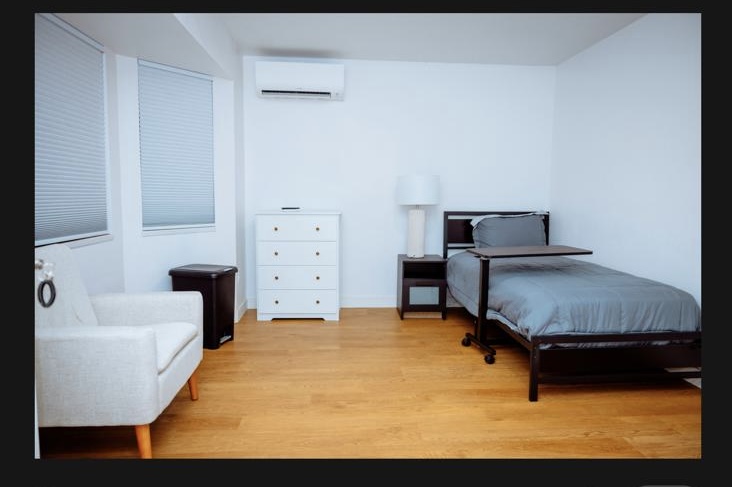
The average monthly cost of adult care homes in Vancouver is approximately $2,383, which is equal to the Washington state average of $2,383 per month. This makes Vancouver an affordable option compared to other areas in Washington.
How to pay for adult care homesFrequently Asked Questions
An Adult Care Home is a smaller, licensed residential setting that provides personal care and 24-hour supervision to a limited number of residents, typically between 4 and 12 people. These homes operate in converted single-family residences in regular neighborhoods and offer a home-like alternative to larger Assisted Living communities. They may also be called Adult Foster Homes, Board and Care Homes, Residential Care Homes, or Family Care Homes depending on the state.
Many Adult Care Homes serve residents with dementia or memory loss, and some homes specialize in dementia care. The small, familiar environment of a care home can actually benefit residents with cognitive changes by reducing confusion and overstimulation. However, not all homes are equipped or licensed for dementia care. Ask about the staff's dementia training, whether the home has secured exits to prevent wandering, and what level of cognitive impairment the home can safely accommodate.
The primary differences are size, setting, and amenities. Adult Care Homes serve a small number of residents (usually 4 to 12) in a residential home, while Assisted Living communities may house 50 to 200+ residents on a larger campus with structured activities, dining halls, and common areas. Both provide personal care and supervision, but Adult Care Homes offer a more intimate, family-like environment. Adult Care Homes are often less expensive than Assisted Living.
Nursing Homes, more accurately called Skilled Nursing Facilities (SNFs), provide 24-hour medical care from licensed nurses and are designed for people with complex health conditions requiring ongoing clinical supervision. Adult Care Homes provide personal care and supervision but not skilled medical care. The cost of a Skilled Nursing Facility is significantly higher, with a national median of over $10,600 per month for a private room in 2024 compared to $2,000 to $6,000 per month for most Adult Care Homes. (Source: CareScout/Genworth Cost of Care Survey, 2024)
Use our search tool to find adult care homes providers near Vancouver. Contact them directly. No middleman, no referral fees.