Hospice Care
Hospice Care in Kansas
Browse 111 providers across 5 cities in Kansas. Page updated · Provider listings and openings update live.
Search Providers in KansasExplore by City
Cities in Kansas
No cities match your search.
Learn More
Understanding Hospice Care in Kansas
Hospice Care in Kansas
Hospice care in Kansas is provided by Medicare-certified agencies concentrated in Wichita, Kansas City, Overland Park, Olathe, and Topeka, offering comfort-focused medical care, pain management, and emotional and spiritual support to patients with a terminal diagnosis and their families. Hospice providers in Kansas are licensed by the Kansas Department of Health and Environment, Bureau of Community Health Systems under the Home Health Agency - Hospice Services designation, and all providers participating in Medicare must also meet federal certification requirements under 42 CFR Part 418. Families typically begin considering hospice when a physician determines that a patient has a terminal illness with a life expectancy of six months or less if the illness runs its expected course, and the focus of care shifts from curative treatment to comfort, dignity, and quality of life.
This page covers how hospice care is defined in Kansas, what Medicare and Medicaid cover, what services are included, what families pay out of pocket, and answers to frequently asked questions. Kansas's below-average costs for non-covered care make end-of-life care more financially accessible, Kansas does not tax Social Security income, and KanCare Medicaid covers hospice services for eligible beneficiaries.
Hospice Care Licensing and Regulations for Kansas
- Licensing Agency
- Kansas Department of Health and Environment, Bureau of Community Health Systems
- License Type
- Home Health Agency - Hospice Services
- Regulatory Code
- Kansas Statutes Annotated Chapter 65 Article 56; Kansas Administrative Regulations Article 89; 42 CFR Part 418
- Public Inspection Database
- https://www.kdhe.ks.gov/1601/Health-Occupations-Credentialing
- License Renewal
- Annual
Hospice Care Resources & Links for Kansas
Kansas Department of Health and Environment - Home Health Licensing maintains Kansas's hospice and home health agency licensure records. Families can verify a provider's license status through this bureau.
KanCare - Kansas Medicaid administers the hospice benefit for eligible Kansas residents. Contact KanCare or your managed care organization to learn about eligibility and coverage.
Kansas Department for Aging and Disability Services connects Kansas seniors and caregivers with local Area Agencies on Aging and community support programs.
National Hospice and Palliative Care Organization - CaringInfo provides free Kansas advance directive forms and a hospice provider locator.
Eldercare Locator connects Kansas families with local senior services. Phone: 1-800-677-1116
Medicare Care Compare - Hospice Providers is Medicare's official search and comparison tool for licensed hospice agencies. Families can search by ZIP code, compare quality ratings, review inspection histories, and assess services offered by providers in their area.
American Academy of Hospice and Palliative Medicine is the professional organization for physicians and other clinicians specializing in hospice and palliative medicine. Their site includes clinical guidelines, patient education materials, and a provider directory. Phone: 847-375-4712
ACL Long-Term Care Ombudsman Program provides a national directory of state Long-Term Care Ombudsman programs, which advocate for the rights and welfare of hospice patients receiving care in nursing facilities, assisted living, or residential care settings.
Kansas Home Care and Hospice Association is the professional association for home care and hospice providers in Kansas, offering regulatory guidance, member advocacy, and quality improvement support. Phone: 785-267-8954
Kansas Department for Aging and Disability Services - Long-Term Care Ombudsman advocates for the rights of hospice patients in Kansas care facilities. Phone: 785-296-3017
KanCare - Hospice Benefits provides coverage details for Kansas Medicaid hospice services for eligible KanCare members.
The Hospice Care Landscape in Kansas
Kansas's hospice providers are supported by The University of Kansas Health System in Kansas City, Via Christi Health in Wichita, Stormont Vail Health in Topeka, and Wesley Medical Center. These medical centers operate palliative care programs that coordinate with regional hospice agencies throughout the state. Kansas has a continental climate with hot summers and cold winters, and the state's open plains geography can make winter access challenging for home-based patients in rural areas. Kansas does not tax Social Security income and provides retirement income exclusions, which helps seniors manage non-covered care expenses.
KanCare, Kansas's Medicaid managed care program, covers hospice services for eligible beneficiaries. Families should contact their KanCare managed care organization to understand how hospice benefits are coordinated under their specific plan.
What Is Hospice Care?
Hospice Care is a specialized approach to end-of-life care designed for individuals with a terminal illness and a life expectancy of six months or less, as certified by a physician. Rather than pursuing curative treatments, hospice prioritizes comfort, dignity, and quality of life through comprehensive pain management, symptom control, and emotional and spiritual support.
The philosophy behind hospice recognizes that, at a certain point, the goal of care shifts from extending life to honoring the life being lived. Hospice makes it possible for patients and families to focus on what matters most during one of the most sensitive transitions a family will face.
Hospice is a concept of care, not a specific location. Patients receive services wherever they are most comfortable - in their own home, a family member's residence, an assisted living community, a skilled nursing facility, or a dedicated inpatient hospice facility. The care travels with the patient.
Signs it may be time to consider hospice:
- Your loved one has made multiple visits to the emergency room in recent months.
- The condition continues to progress despite treatment, affecting quality of life.
- Your loved one has been hospitalized several times in the past year with the same or worsening symptoms.
- The individual wishes to remain at home rather than continue hospital-based care.
- Your loved one has decided to stop receiving curative treatment.
Hospice does not hasten death. Studies have consistently shown that patients who choose hospice often live as long as, or longer than, those with similar diagnoses who do not. The focus is entirely on comfort and dignity, and if a patient's condition improves, they can be discharged from hospice and return to curative treatment at any time.
What is included with Hospice Care?
Hospice care is delivered by an interdisciplinary team that develops a personalized care plan around the patient's goals and medical needs. The team works together and adjusts the care plan as the patient's needs change.
Core services included in hospice care:
- Pain and symptom management - Medical professionals experienced in end-of-life care manage medications, monitor symptoms, and adjust the care plan on a regular basis. A hospice nurse typically visits several times per week or more as needs increase.
- Personal care assistance - Home health aides help with bathing, dressing, grooming, and other activities of daily living.
- Medical equipment and supplies - Hospice provides medically necessary equipment such as hospital beds, wheelchairs, and oxygen, as well as supplies related to the terminal diagnosis.
- Medications - Medications related to the terminal condition are covered under the Medicare Hospice Benefit.
- Social work services - Social workers assist with advance directives, insurance and benefits questions, care coordination, and emotional support for both the patient and family.
- Chaplaincy and spiritual care - Chaplains offer spiritual support regardless of faith background or personal belief system.
- Counseling and emotional support - Trained counselors support patients and family members through anticipatory grief and the emotional weight of end-of-life transitions.
- Volunteer support - Trained volunteers provide companionship, run errands, and give family caregivers a meaningful break.
- Respite care - Short-term inpatient care provides temporary relief for family caregivers, typically available for up to five consecutive days at a time.
- Bereavement services - Hospice organizations are required to provide bereavement counseling and follow-up support for family members for up to 13 months after the patient's death.
- 24/7 availability - Hospice teams are reachable around the clock for after-hours emergencies and guidance.
What makes hospice different from palliative and respite care:
Palliative care refers to any care that alleviates symptoms and improves quality of life, whether a cure is being pursued or not. It is appropriate at any stage of illness, not only end of life, and can be provided alongside curative treatment. Hospice is a specific type of palliative care for patients who are no longer pursuing curative measures and have a prognosis of six months or less.
Respite care provides temporary relief for family caregivers. Within the hospice model, respite care refers to short inpatient stays that allow exhausted caregivers to rest while their loved one receives professional care. Respite care is a component of the Medicare Hospice Benefit, not a separate service.
How to Pay for Hospice Care
Medicare (Part A - Medicare Hospice Benefit)
Medicare Part A covers hospice care when a patient meets the following criteria: a physician certifies a life expectancy of six months or less if the illness runs its natural course, the patient chooses to receive comfort-focused care rather than curative treatment, and the hospice provider is Medicare-certified. There is no lifetime limit on hospice care under Medicare as long as the patient continues to meet eligibility criteria. Coverage includes nursing visits, aide services, medications related to the terminal diagnosis, medical equipment, therapy services, social work, chaplaincy, counseling, and bereavement support.
For questions about Medicare eligibility and coverage, call 1-800-MEDICARE (1-800-633-4227) or visit www.medicare.gov.
Medicaid
Medicaid covers hospice care in all 50 states and the District of Columbia for patients who meet income and medical eligibility requirements. Benefits vary by state. Visit www.medicaid.gov for state-specific information.
Private Insurance
Most private health insurance plans include a hospice benefit. Coverage details, including any cost-sharing requirements, vary by plan. Contact your insurance provider directly to confirm your benefits and any prior authorization requirements.
Veterans Benefits
The U.S. Department of Veterans Affairs (VA) provides hospice care to eligible veterans. Services may be available through VA facilities, community providers, or in the veteran's home. Contact your local VA medical center or visit www.va.gov to learn about eligibility and how to access services.
Uninsured and Underinsured Patients
Most hospice organizations are nonprofits. Many provide care on a sliding fee scale or at no cost to patients with limited income and resources, funded through charitable sources. No eligible patient should be turned away from hospice care based on inability to pay. Ask the hospice organization directly about their financial assistance policies.
How to choose a Hospice Provider?
Selecting the right hospice provider is an important decision. The following criteria can help families evaluate their options and choose a provider that is the right fit for their loved one's needs and values.
Medicare Certification Medicare certification is the baseline quality indicator for hospice providers. Certified hospices are required to meet federal Conditions of Participation, which establish standards for the services, staffing, and care planning that every patient must receive.
Accreditation Voluntary accreditation from organizations such as the Community Health Accreditation Partner (CHAP), the Accreditation Commission for Health Care (ACHC), or The Joint Commission indicates a commitment to quality beyond the minimum regulatory requirements. Ask whether the provider is accredited and by whom.
Range of services Confirm that the provider offers the full range of required hospice services: nursing, aide services, social work, chaplaincy, volunteer support, medical equipment, medications, and bereavement care. Some providers also offer complementary services such as music therapy, pet therapy, or massage.
Staff qualifications and experience Ask about the hospice nurses' experience specifically in end-of-life care, their continuing education practices, and nurse-to-patient ratios. Ask how on-call coverage works on evenings and weekends.
Response time for after-hours emergencies Ask what the expected response time is when you call after hours. Understand whether a nurse will come in person, respond by phone, or a combination. This matters most as a patient's condition changes.
Family caregiver support Ask about caregiver education programs, how and when respite care is made available, and what the bereavement counseling program looks like after your loved one passes. Strong family support is a defining characteristic of high-quality hospice care.
Community reputation Talk to the patient's physician, hospital discharge planner, or other healthcare professionals who work with multiple providers. Read online reviews with a balanced eye, and ask the hospice for family references if you would find that helpful.
Medicare's Care Compare tool Use the official Medicare comparison tool at www.medicare.gov/care-compare to view publicly reported quality measures for Medicare-certified hospice providers, including survey ratings and family caregiver satisfaction scores.
Frequently Asked Questions
Common Questions About Hospice Care in Kansas
What is Hospice Care?
Hospice Care is a specialized type of medical and supportive care for individuals with a terminal illness who have a life expectancy of six months or less, as certified by a physician. It focuses on comfort, dignity, and quality of life rather than curative treatment. Hospice can be provided at home, in a family member's home, in an assisted living community, in a skilled nursing facility, or in a dedicated hospice facility. Care is delivered by an interdisciplinary team including nurses, aides, social workers, chaplains, and volunteers who support both the patient and the family.
How much does Hospice Care cost?
For most families, the out-of-pocket cost of hospice is very low. The Medicare Hospice Benefit (Part A) covers nearly all hospice services, including nursing visits, aide services, medications related to the terminal diagnosis, medical equipment, social work, chaplaincy, and bereavement support. Patients may pay a small copayment of up to $5 per prescription for symptom management drugs and up to 5% of the Medicare-approved amount for respite care. Medicaid covers hospice in all 50 states, and most private insurance plans include a hospice benefit. Veterans may be eligible for hospice through the Department of Veterans Affairs at no cost.
What is the difference between Hospice and Palliative care?
The key difference is timing and intent. Palliative care focuses on relieving symptoms and improving quality of life at any stage of illness, even alongside curative treatment. It is not limited to end-of-life situations. Hospice is a specific type of palliative care reserved for patients who have a prognosis of six months or less and who have chosen to stop pursuing curative measures. Both approaches prioritize comfort and dignity, but palliative care can accompany treatment while hospice replaces it. Respite care is a component within hospice that provides short-term relief for family caregivers.
When should Hospice Care begin?
Hospice is appropriate when a physician certifies that an individual has a life expectancy of six months or less if the illness follows its expected course, and the patient has decided to focus on comfort rather than curative treatment. Common signs that it may be time to consider hospice include repeated emergency room visits or hospitalizations, a terminal condition that continues to progress despite treatment, a wish to remain at home, or a decision to discontinue treatment. Research consistently shows that patients and families who choose hospice earlier often have a better quality of life than those who delay enrollment. There is no benefit to waiting.
Consider Hospice when:
- Your loved one has made multiple trips to the emergency room.
- The condition continues to progress, affecting quality of life.
- The individual has been admitted to the hospital several times in the last year with the same or worsening symptoms.
- Your loved one wishes to remain at home, rather than spend more time in the hospital.
- Your loved one has decided to stop receiving treatment.
Does Medicare cover Hospice?
Yes. Medicare Part A covers hospice care through the Medicare Hospice Benefit when the patient meets eligibility criteria: a physician must certify a life expectancy of six months or less if the illness runs its normal course, the patient must choose comfort-focused care over curative treatment, and the hospice provider must be Medicare-certified. The benefit covers nursing visits, aide services, medications related to the terminal diagnosis, medical equipment and supplies, social work, chaplaincy, counseling, volunteer support, and bereavement services. There is no lifetime limit on hospice care as long as the patient continues to meet eligibility requirements. For more information, visit www.medicare.gov or call 1-800-MEDICARE (1-800-633-4227).
How do I find Hospice Care near me?
Ask your physician for a referral, or use our search tool to find hospice providers in your area. You can also contact your local hospital discharge planning department or Area Agency on Aging for recommendations. A complete list of providers are included on this website, CareAvailability.com You can search for Medicare-certified hospice providers using the Care Compare tool at www.medicare.gov/care-compare, which includes publicly reported quality measures and family satisfaction ratings. Your loved one's physician, a hospital discharge planner, or a senior care advisor can also provide referrals to reputable local providers. The National Hospice and Palliative Care Organization (NHPCO) operates a helpline at 1-800-658-8898 and offers a provider search tool at www.nhpco.org. When comparing providers, ask about Medicare certification, accreditation, after-hours response time, and family caregiver support programs.
Related Articles
Guides & Resources for Hospice Care in Kansas

The Difference Between Medicare and Medicaid
Medicare vs. Medicaid: What’s the difference? The simple answer: Medicare and Medicaid are two different healthcare programs with different functions…
Read article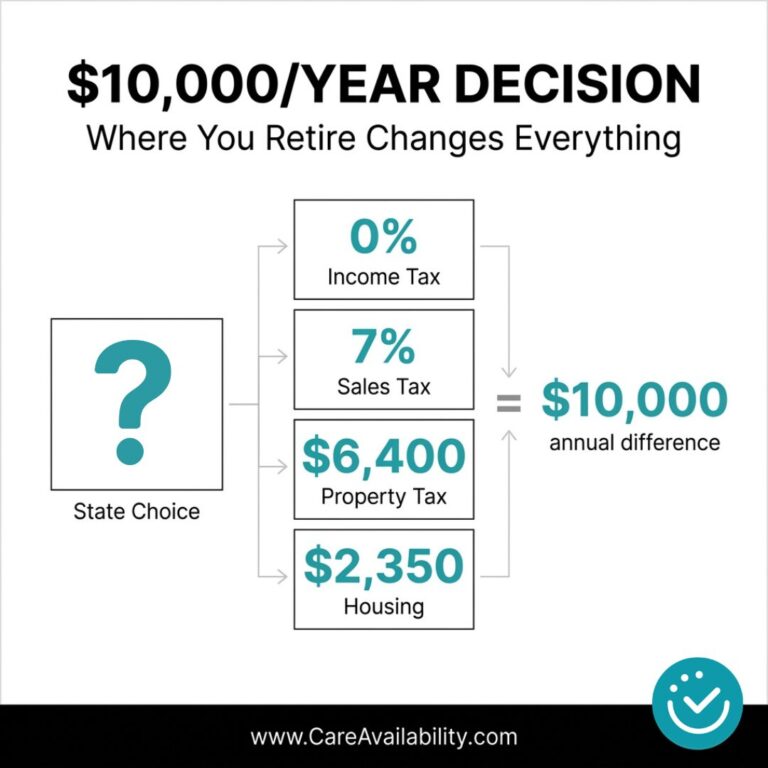
Where You Retire Can Mean Tens of Thousands of Dollars Over a Decade: A Practical Guide to State-by-State Differences
The Question Most Retirement Plans Skip Most retirement planning conversations focus on when to retire. How much to save. When…
Read articleCitations & Sources
- Kansas Department of Health and Environment. Home Health Agency Licensure - Hospice. 2025. kdhe.ks.gov
- Kansas Administrative Regulations Article 89. Home Health Agencies. 2024.
- KanCare. Medicaid Hospice Benefit. 2025. kancare.ks.gov
- Centers for Medicare and Medicaid Services. Medicare Hospice Benefit - 42 CFR Part 418. 2024. ecfr.gov
- National Hospice and Palliative Care Organization. State-by-State Hospice Regulatory Review. 2024. nhpco.org
- MedPAC. Hospice Services Payment System Fact Sheet. 2024. medpac.gov/hospice-payment
- Centers for Medicare and Medicaid Services. Medicare Hospice Benefits (CMS Publication 02154). 2024. medicare.gov/hospice-benefits
- National Hospice and Palliative Care Organization. NHPCO Facts and Figures: Hospice Care in America. 2024. nhpco.org/facts-figures
- Kansas Department of Health and Environment. KanCare Hospice Benefit Coverage and Policy. 2024. kancare.ks.gov
- Kansas Department for Aging and Disability Services. Long-Term Care Ombudsman Annual Report. 2023. kdads.ks.gov/ltco
Explore
Other Senior Care in Kansas
Browse other types of senior care available in Kansas.
Adult Care Homes
Smaller residential homes providing personalized care in a home-like setting.
View in KansasAssisted Living
Residential communities offering help with daily activities, meals, and medication management.
View in KansasHome Care
Non-medical assistance with daily living activities delivered in your home.
View in KansasHome Health
Licensed medical care provided by nurses and therapists in your home.
View in KansasIndependent Living
Active retirement communities for seniors who want maintenance-free living.
View in KansasMemory Care
Specialized care for individuals living with Alzheimer's or other forms of dementia.
View in KansasSkilled Nursing
Facilities providing 24-hour nursing care for complex medical needs.
View in KansasNeed Help Finding Hospice Care in Kansas?
Use our search tool to find hospice care providers in Kansas. Contact them directly. No middleman, no referral fees.