★ Premium
9.6 mi
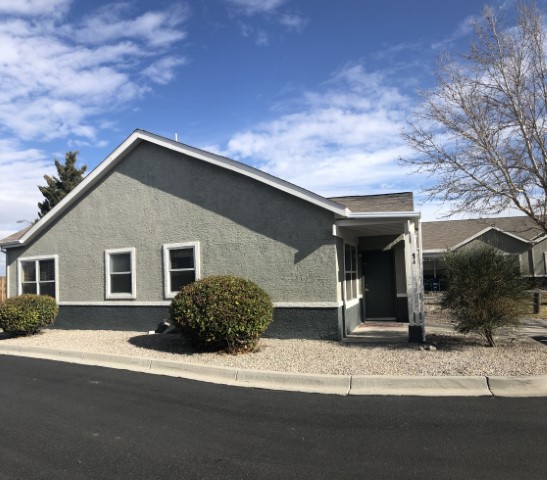
1000 Riverview Drive Southeast Rio Rancho, NM
Assisted Living
264 assisted living providers near Albuquerque
Search Providers
★ Premium
9.6 mi
1000 Riverview Drive Southeast Rio Rancho, NM
10501 Lagrima De Oro NE Albuquerque, NM
10301 Golf Course Rd NW Albuquerque, NM
★ Premium
0 mi
26922 Camino De Estrella Dana Point, CA
Learn More
Assisted living in Albuquerque, New Mexico gives seniors access to housing, personal care, and daily support in the state's largest city and the primary healthcare hub for the entire intermountain Southwest. University of New Mexico Hospital, Presbyterian Healthcare Services, and Lovelace Health System provide geriatric care, cardiology, and specialty medical services that support assisted living residents throughout the Albuquerque area.
Assisted living facilities in Albuquerque operate under the Assisted Living Facility designation, regulated by the New Mexico state licensing authority. New Mexico Medicaid's Mi Via Waiver and Coordination of Long-Term Services may cover assisted living services for eligible Albuquerque seniors who meet both financial and nursing facility level of care requirements.
Families searching for assisted living in Albuquerque, New Mexico will find the state's most extensive market, with options across the Heights, Northeast Albuquerque, North Valley, Rio Rancho, and the East Mountains communities. Albuquerque's high desert climate at 5,300 feet, 310 sunny days annually, Sandia Mountain backdrop, and vibrant arts scene make it one of the most distinctive and appealing assisted living markets in the Southwest. The New Mexico ADRC and local Area Agency on Aging are the recommended starting points for families navigating assisted living options in the Albuquerque area.
Albuquerque is one of the Southwest's most culturally and naturally distinctive cities, set on the Rio Grande Valley at 5,300 feet with the Sandia Mountains rising 10,378 feet directly to the east, the Petroglyph National Monument's 17,000 ancient rock carvings on the West Mesa, the International Balloon Fiesta - the world's largest hot air balloon event - Old Town's 300-year-old plaza, and the Indian Pueblo Cultural Center reflecting New Mexico's extraordinary Native American heritage.
New Mexico does not tax Social Security income. Albuquerque's high desert climate delivers 310 sunny days per year, low humidity, warm summers, and mild winters with occasional snowfall - a climate many seniors with respiratory conditions find therapeutic. Below-national-median care costs, the University of New Mexico's nationally ranked medical programs, and the city's vibrant arts and culinary scene centered on Old Town and Nob Hill give seniors an environment that rewards curiosity and cultural engagement at accessible price points.
A facility that provides residential care and services, including assistance with activities of daily living, personal care, health oversight, and 24-hour supervision, to adults who do not require continuous skilled nursing care. Licensed by the New Mexico Department of Health.
Memory care may be provided within a licensed Assisted Living Facility. Facilities offering dementia-specific or Alzheimer's care programming must meet enhanced staff training and individualized care planning requirements. New Mexico does not require a separate license category for memory care.
New Mexico Department of Aging provides the state's ADRC network and helps seniors and families navigate assisted living options, Medicaid eligibility, and connections to local Area Agencies on Aging.
New Mexico Medicaid administers the Mi Via Waiver and Coordination of Long-Term Services, which may cover assisted living services for eligible seniors. Contact the state Medicaid office for eligibility screening and enrollment information.
New Mexico Long-Term Care Ombudsman advocates for residents in assisted living facilities and investigates complaints about care quality and residents' rights violations.
New Mexico ADRC connects New Mexico seniors with local aging services, assisted living facility information, and caregiver support resources.
Eldercare Locator helps New Mexico families find local senior services and support programs.
Assisted living is a licensed residential care option for older adults who need support with daily activities but don't require the intensive medical care of a skilled nursing facility. Most residents live in their own private apartment within a community and receive personalized help with tasks like bathing, dressing, medication management, and meals — while maintaining independence and control over their daily routines.
More than 818,000 Americans currently live in assisted living communities. The average resident is 87 years old.
What sets assisted living apart is the balance it strikes. Trained staff are available around the clock, but residents direct their own care. It is not a hospital. It is not a nursing home. It is a residential setting built around real daily life.
Each state regulates assisted living under its own licensing structure, which means available services, staffing requirements, and quality standards vary by location. When comparing communities, always review your state's most recent inspection reports alongside any community-provided materials.
Most assisted living communities include housing, meals, personal care assistance, activities, and 24-hour staffing in a monthly rate. Services beyond the base package are typically available for additional fees.
All licensed assisted living communities provide assistance with activities of daily living (ADLs). These form the foundation of care:
Most communities bundle the following into their base fee:
Apartments are typically private, self-contained units that include:
Residents are strongly encouraged to bring personal furniture, photos, and meaningful objects. The research on this is clear: familiar surroundings reduce anxiety and support cognitive function during the transition. (Source: National Institute on Aging)
A strong activities program is not just an amenity. It is a health indicator. Regular social engagement is associated with significantly lower rates of depression and cognitive decline in older adults. (Source: National Institute on Aging)
Look for communities offering:
Most families pay for assisted living through a combination of sources. Understanding what's available, and what isn't, is the most important financial step in the process.
Medicare does not cover assisted living. This is the most common financial misconception in senior care. Medicare is designed for short-term medical care and does not pay for residential or custodial care in an assisted living setting.
Private funds cover the majority of assisted living costs for most families. Common sources include:
Planning ahead matters here. The average assisted living stay is approximately 22 months. At the national median, that's roughly $110,000 over the course of a typical stay. Budget with a realistic time horizon.
Medicaid may cover some assisted living costs — but eligibility and coverage vary entirely by state.
Key facts:
If you are unsure whether you qualify, apply. Eligibility is more nuanced than most people expect, and a Medicaid planning attorney or social worker can help navigate your state's specific rules.
Long-term care (LTC) insurance is specifically designed for situations like assisted living. Most policies activate when a person needs assistance with two or more ADLs.
According to the U.S. Department of Health and Human Services, nearly 70% of adults over 65 will require some form of long-term care. Purchasing LTC insurance in your 50s or early 60s, before health conditions develop, is significantly more affordable than waiting.
If an existing policy is in place, review the benefit triggers, daily benefit amount, elimination period, and inflation protection provisions carefully before choosing a community.
The VA Aid and Attendance benefit provides financial support for eligible veterans and surviving spouses who need help with daily activities. As of 2024, the maximum monthly benefit amounts are approximately:
(Source: U.S. Department of Veterans Affairs, 2024)
Eligibility includes service history, financial need, and level of care required. A VA-accredited claims agent can determine eligibility at no charge.
The average monthly cost of assisted living in Albuquerque is approximately $6,162, which is equal to the New Mexico state average of $6,162 per month. This makes Albuquerque an affordable option compared to other areas in New Mexico.
How to pay for assisted livingFrequently Asked Questions
Independent living is designed for older adults who are largely self-sufficient but want the convenience, community, and social engagement of a residential senior community. There is typically no personal care assistance included. Assisted living, by contrast, provides hands-on support with daily activities like bathing, dressing, and medication management.
Think of it this way: independent living is about lifestyle and convenience; assisted living is about care support. Many communities offer both on the same campus, which allows residents to transition from one to the other as needs change without moving to an entirely new location.
It depends on the community and your state's regulations. This is one of the most important questions to ask before choosing a community.
Some assisted living communities offer tiered care levels that allow residents to age in place even as needs increase. Others have a defined ceiling on the care they are licensed to provide, and residents who exceed that level are required to transition to a higher level of care, such as memory care or a skilled nursing facility.
Ask every community you visit: "What care level or diagnosis would require a resident to move out?" The answer tells you how much long-term security that community can realistically provide.
This is one of the most emotionally difficult conversations families face, and there is no single right approach. A few things that tend to help:
A geriatric care manager can also facilitate these conversations and provide an objective third-party perspective that takes some of the emotional weight off the family.
The timeline varies, but most families can complete the process in two to six weeks once a community is selected. However, it is possible to move into Assisted Living within a day or so if all required assessments and paperwork are completed quickly.
The general steps:
The biggest variable is unit availability. Popular communities in high-demand areas may have waitlists of several months, particularly for specific unit types or care levels. If you are planning ahead rather than responding to a crisis, getting on a waitlist at preferred communities early is worthwhile even if the move is not imminent.
Many assisted living communities are pet-friendly, but policies vary widely. Some welcome cats and small dogs; others allow pets only in certain buildings or with specific restrictions on size, breed, or number.
If having a pet is a priority, ask about it early in the search process rather than after you have fallen in love with a community. Specific things to ask:
For many residents, a pet is not a lifestyle preference but a genuine source of emotional wellbeing and routine. It is a fair and important question to ask.
Assisted living is a residential option for seniors who need help with daily activities like bathing, dressing, and medication management but don't need full-time nursing care. Communities typically provide private apartments, meals, social activities, and 24-hour staff support.
Assisted Living and Skilled Nursing serve different senior care needs across the United States. Assisted Living communities provide support with daily activities like bathing, dressing, and medication management while encouraging residents to maintain independence and privacy. Skilled Nursing-(sometimes called Nursing homes), by contrast, offer 24-hour skilled medical care for seniors with complex health conditions requiring constant monitoring and clinical intervention. The key distinction lies in the level of medical supervision; Assisted Living works well for seniors who need help with activities of daily living but remain relatively stable health-wise, while nursing homes are appropriate when intensive medical care becomes necessary. Assisted Living typically costs less than nursing home care and maintains a residential atmosphere, making it an attractive option for many seniors seeking support without institutional settings.
The decision to transition to Assisted Living is deeply personal, and recognizing the right timing can significantly impact quality of life for seniors across the United States.
Consider exploring senior care options:
Family caregivers often recognize the need first, particularly when providing care becomes physically or emotionally exhausting. If safety concerns are mounting, professional support through Assisted Living can provide the structure, medical oversight, and social engagement that promote independence while ensuring well-being. Speaking with a geriatric care manager or your primary physician can help clarify whether this senior care option aligns with your specific needs and circumstances.
Medicare does not cover assisted living costs. However, many states offer Medicaid waiver programs that can help pay for assisted living for eligible individuals. Coverage varies significantly by state, so check your state's Medicaid program for details.
Use our search tool at the top of this page to find assisted living communities in your area. You can filter by location, services, and more. We recommend visiting multiple communities, asking about care plans, and speaking with current residents before making a decision.
Use our search tool to find assisted living providers near Albuquerque. Contact them directly. No middleman, no referral fees.