6328 Farley Lane Birmingham, AL
Assisted Living
Assisted Living in Birmingham, Alabama
26 assisted living providers near Birmingham Page updated · Provider listings and openings update live.
Search Providers26+
Providers Nearby
196,644
Population
16.2%
Seniors 65+
About Birmingham, Alabama
Birmingham, Alabama has developed into a significant regional center for assisted living and senior care services, with facilities that reflect current best practices in person-centered care. The city's healthcare infrastructure, anchored by major medical centers such as UAB Medicine and Brookwood Baptist Medical Center, ensures that seniors have access to specialists and acute care services when needed. This medical backbone, combined with the proximity of most assisted living communities to shopping districts, dining establishments, and cultural venues, allows residents to maintain meaningful engagement with their surroundings while receiving appropriate support services.
The assisted living market in Birmingham offers families considerable flexibility in both service offerings and cost structures. Facilities throughout the city provide services ranging from assistance with activities of daily living and medication management to specialized memory care programs, with many communities accepting Medicaid, private pay arrangements, and long-term care insurance. Senior care costs in Birmingham typically remain below national averages, making quality assisted living more accessible to families with varying financial circumstances while maintaining professional standards and individualized care approaches.
Assisted Living Providers Near Birmingham
26 found2435 Columbiana Rd Vestavia Hills, AL
4.7 (60)
View details →
7868 Gadsden Highway Trussville, AL
4.8 (55)
View details →
2184 Parkway Lake Drive Hoover, AL
5.0 (35)
View details →
(205) 870-0786
2.4 mi away
400 University Park Dr. Birmingham, AL
 ★ Premium
Partner
★ Premium
Partner
(831) 684-2700
Updated
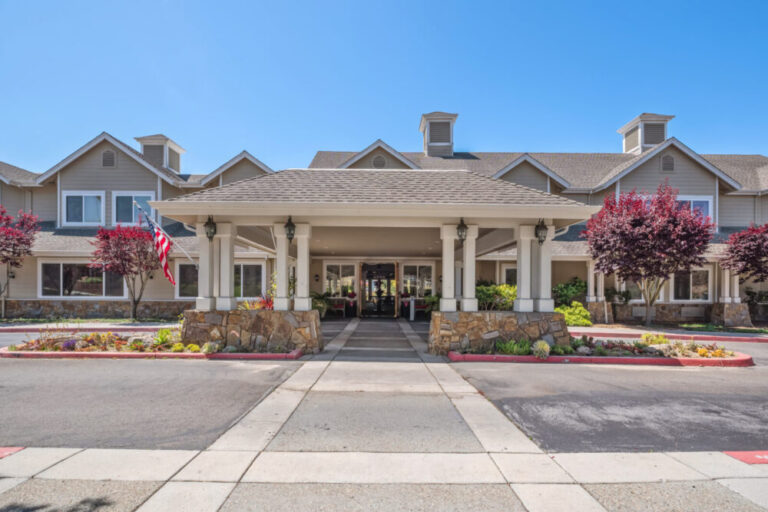
125 Heather Terrace Aptos, CA
2 Person Transfer
24 Hour Awake Staff Onsite
Activities
Anytime Dining
Bariatric
+7
4.5 (19)
View details →
(205) 678-8906
15.1 mi away
245 Hidden Acres Circle Chelsea, AL
(205) 209-5124
1.8 mi away
3776 Crosshaven Drive Birmingham, AL
(205) 531-2995
13.1 mi away
1411 Thompson Circle Gardendale, AL
(205) 634-8200
8.1 mi away
2171 Parkway Lake Drive Hoover, AL
Learn More
Understanding Assisted Living in Birmingham, Alabama
Assisted Living in Birmingham, Alabama
Assisted living in Birmingham, Alabama gives seniors access to housing, personal care, and daily support in the state's largest metropolitan area and the Southeast's leading academic medical hub. UAB Hospital (University of Alabama at Birmingham), Ascension St. Vincent's Birmingham, and Baptist Health System provide geriatric care, cardiology, and specialty medical services that support assisted living residents throughout the Birmingham area.
Assisted living facilities in Birmingham operate under the Assisted Living Facility designation, regulated by the Alabama state licensing authority. Alabama Medicaid's Elderly and Disabled Waiver may cover assisted living services for eligible Birmingham seniors who meet both financial and nursing facility level of care requirements.
Families searching for assisted living in Birmingham, Alabama will find options spanning Homewood, Vestavia Hills, Mountain Brook, Hoover, and Trussville, ranging from smaller residential care homes to larger full-service communities. UAB's nationally ranked geriatrics program gives residents of Birmingham-area assisted living facilities access to some of the most advanced senior care expertise in the region. The Alabama ADRC and local Area Agency on Aging are the recommended starting points for families navigating assisted living options in the Birmingham area.
About the City
Birmingham, Alabama serves as the state's largest city with a population of approximately 196,644 residents, of which roughly 16.2% are age 65 and older. This substantial senior population has created a robust senior care landscape, with multiple assisted living facilities currently operating throughout the city. These communities are well-positioned to serve the region's aging adults and their families seeking quality assisted living options. The availability of multiple facilities allows seniors and their loved ones to find care environments that align with their specific needs and preferences.
The climate in Birmingham presents considerations for seniors evaluating assisted living communities in the area. Summers are typically long, hot, and humid, while winters remain relatively mild and brief, with temperatures generally ranging from 36°F to 90°F throughout the year. This moderate climate can be advantageous for seniors who prefer to avoid extreme cold winters, though the summer heat and humidity may require attention to indoor climate control and hydration during the warmest months. When selecting an assisted living facility in Birmingham, Alabama, prospective residents and their families should inquire about how communities manage seasonal comfort and maintain appropriate indoor environments year-round.
City Cost Note
Assisted Living costs in Birmingham, Alabama typically range from $4,500 to $6,500 monthly, though this varies based on the level of care required and specific amenities offered by each facility. The Birmingham senior care market reflects competitive pricing compared to national averages, making it an accessible option for many families seeking quality care in the area. These monthly fees generally cover room and board, personal assistance with activities of daily living, medication management, and social programming tailored to residents' interests and needs.
When planning for Assisted Living expenses, most families rely on a combination of payment methods since Medicare does not cover these services. Private pay using retirement savings, pensions, and personal funds remains the most common approach; however, Alabama Medicaid may cover portions of care for eligible seniors, and Long-Term Care insurance can significantly offset costs for those who have previously obtained coverage. Veterans and their spouses should explore Aid and Attendance benefits through the VA, as these can substantially reduce out-of-pocket expenses for qualified individuals receiving senior care in Birmingham.
Medicare - NO:
- Medicare does NOT pay for Assisted Living.
- People 65 years and older and individuals with end stage renal disease are eligible for Medicare benefits, no matter their income.
- Coverage is meant for people in need of short-term care.
Private pay - YES:
- Many families pay for assisted living with private funds.
- Private pay can be a combination of retirement funds, personal savings, and pension payments.
- Family members may contribute funds to pay for assisted living or other senior housing and care.
Medicaid - MAYBE:
- Medicaid provides health coverage to millions of Americans. Eligible participants include: low-income adults, elderly adults and people with disabilities.
- Medicaid is administered by state, according to federal requirements. The program is funded jointly by each state and the federal government.
- Every state has their own individual Medicaid assistance program.
- National guidelines are in place do decipher how states must spend Medicaid money, but with allowances toward the guidelines.
- The state determines what levels of care will be covered by Medicaid, who is eligible, and how much the state will reimburse the care community.
- If you are unsure whether you qualify for Medicaid, you should apply. You may be eligible depending on your household income, family size, age, disability and other factors.
Long-term Care Insurance - MAYBE:
Long term care insurance is a great way to pay for assisted living, and planning ahead is important when considering how to pay for senior housing and care. Nearly 75% of people over the age of 65 will require long-term care and services at some point. Buying into long-term care insurance when a person is in their 50s and 60s is the most common time to do so.
- Long-term care insurance helps cover the costs of chronic medical conditions.
- Individuals and couples with the ability to pay into long-term care insurance have the advantage of a head start in allocating funds for senior care.
Veteran Aid and Assistance - MAYBE:
This benefit is available to some military veterans and surviving spouses who live in an assisted living community and those who have in-home care.
- There are specific guidelines, but a veteran may qualify for as much as $2,050 each month.
- A veteran with a sick spouse may be eligible for $1,600 per month.
- If a veteran has passed, their surviving spouse can qualify for $1,300 per month.
Assisted Living Resources & Links for Birmingham, Alabama
Alabama Department of Senior Services – LSA serves low-income people by providing civil legal aid and by promoting collaboration to find solutions to problems of poverty. LSA offices handle civil cases only.
Alabama Department of Human Resources Adult Protective Services Division – The mission of the Adult Protective Services Division is to support and enable County Departments to protect elderly and disabled adults from abuse, neglect, and exploitation and prevent unnecessary institutionalization.
Alabama State Health Insurance Counseling Program – The Alabama Health Insurance Counseling Program gives free information and assistance on Medicare, Medicaid, Medigap, long term care, supplemental insurance, and other health insurance benefits.
Legal Services Alabama, Inc – LSA serves low-income people by providing civil legal aid and by promoting collaboration to find solutions to problems of poverty. LSA offices handle civil cases only.
Eldercare Locator This is a great resource to search for specific care in specific counties and cities. This database is a nationwide resource that connects older Americans and their caregivers with trustworthy local support resources. Connect with services such as meals, home care or transportation, or a caregiver education or respite from caregiving responsibilities. The Eldercare Locator is a public service of the Administration on Aging (AoA), an agency of the U.S. Administration for Community Living.
Medicare provides a search feature to find & compare providers near you, most senior housing and care providers are included on CareAvailability.com. Find & compare plans in your area. Determine if you qualify for premium savings
Medicaid offers information on how to apply for Medicaid, eligibility criteria, links to local state offices, and additional resources
The Alzheimer’s Association is the leading voluntary health organization in Alzheimer’s care, support, and research. Whether you are living with Alzheimer’s or caring for someone with the disease, information and resources are available.
About the Region in Birmingham, Alabama
Birmingham is the economic and cultural capital of Alabama, home to the Birmingham Museum of Art, the Birmingham Civil Rights Institute, Railroad Park, and a nationally recognized culinary scene built around Southern food traditions. The city's mild humid subtropical climate delivers warm summers and short, mild winters with minimal snowfall - a draw for seniors relocating from harsher northern climates.
Alabama does not tax Social Security income and offers pension exemptions, helping retirement income stretch further for assisted living residents. The Robert Trent Jones Golf Trail's flagship Oxmoor Valley course sits within the metro, and Red Mountain Park provides 1,500 acres of urban trails and outdoor access for active seniors.
Payment Summary
Assisted Living costs in Alabama typically range from $3,500 to $6,500 monthly, making the state one of the more affordable options for senior care in the Southeast. Most facilities in Alabama structure their base fees to include housing, meals, and basic assistance with activities of daily living, though additional services like medication management or specialized memory care often come at supplemental costs. When evaluating senior care options across Alabama communities, it's important to understand what's included in quoted rates versus what constitutes optional add-ons, as this directly impacts your total out-of-pocket expenses.
Ways to Pay for Assisted Living
Medicare - NO:
- Medicare does NOT pay for Assisted Living.
- People 65 years and older and individuals with end stage renal disease are eligible for Medicare benefits, no matter their income.
- Coverage is meant for people in need of short-term care.
Private pay - YES:
- Many families pay for assisted living with private funds.
- Private pay can be a combination of retirement funds, personal savings, and pension payments.
- Family members may contribute funds to pay for assisted living or other senior housing and care.
Medicaid - MAYBE:
- Medicaid provides health coverage to millions of Americans. Eligible participants include: low-income adults, elderly adults and people with disabilities.
- Medicaid is administered by state, according to federal requirements. The program is funded jointly by each state and the federal government.
- Every state has their own individual Medicaid assistance program.
- National guidelines are in place do decipher how states must spend Medicaid money, but with allowances toward the guidelines.
- The state determines what levels of care will be covered by Medicaid, who is eligible, and how much the state will reimburse the care community.
- If you are unsure whether you qualify for Medicaid, you should apply. You may be eligible depending on your household income, family size, age, disability and other factors.
Long-term Care Insurance - MAYBE:
Long term care insurance is a great way to pay for assisted living, and planning ahead is important when considering how to pay for senior housing and care. Nearly 75% of people over the age of 65 will require long-term care and services at some point. Buying into long-term care insurance when a person is in their 50s and 60s is the most common time to do so.
- Long-term care insurance helps cover the costs of chronic medical conditions.
- Individuals and couples with the ability to pay into long-term care insurance have the advantage of a head start in allocating funds for senior care.
Veteran Aid and Assistance - MAYBE:
This benefit is available to some military veterans and surviving spouses who live in an assisted living community and those who have in-home care.
- There are specific guidelines, but a veteran may qualify for as much as $2,050 each month.
- A veteran with a sick spouse may be eligible for $1,600 per month.
- If a veteran has passed, their surviving spouse can qualify for $1,300 per month.
Assisted Living Licensing and Regulations for Birmingham, Alabama
- Official State License Name
- Assisted Living Facility
- Licensing Agency
- Alabama Department of Health / Department of Human Services
- License Type
- Assisted Living Facility
- License Renewal
- Annual
State Definition
A facility that provides personal care services, health oversight, and 24-hour supervision to adults who need assistance with activities of daily living (ADLs) but do not require continuous skilled nursing care. Must be licensed by the Alabama Department of Public Health. Settings range from large communities to smaller residential homes serving four or more unrelated adults.
Memory Care
Memory care may be provided within a licensed Assisted Living Facility under a designated Special Care Unit (SCU) program. Facilities offering Alzheimer's or dementia-specific programming must meet additional state disclosure requirements and enhanced staff training standards. A separate license category for memory care is not required, but additional operational standards apply.
What is Assisted Living?
Assisted living is a licensed residential care option for older adults who need support with daily activities but don't require the intensive medical care of a skilled nursing facility. Most residents live in their own private apartment within a community and receive personalized help with tasks like bathing, dressing, medication management, and meals — while maintaining independence and control over their daily routines.
More than 818,000 Americans currently live in assisted living communities. The average resident is 87 years old.
What sets assisted living apart is the balance it strikes. Trained staff are available around the clock, but residents direct their own care. It is not a hospital. It is not a nursing home. It is a residential setting built around real daily life.
Each state regulates assisted living under its own licensing structure, which means available services, staffing requirements, and quality standards vary by location. When comparing communities, always review your state's most recent inspection reports alongside any community-provided materials.
What's Included in Assisted Living?
Most assisted living communities include housing, meals, personal care assistance, activities, and 24-hour staffing in a monthly rate. Services beyond the base package are typically available for additional fees.
Personal Care: Help With Daily Activities (ADLs)
All licensed assisted living communities provide assistance with activities of daily living (ADLs). These form the foundation of care:
- Bathing and personal hygiene
- Dressing and grooming
- Medication management and reminders
- Eating assistance as needed
- Toileting and incontinence management
- Transferring (bed to chair, standing, etc.)
What's Typically Included in the Monthly Rate
Most communities bundle the following into their base fee:
- Three daily meals in a communal dining room
- Light housekeeping and laundry service
- Scheduled transportation to appointments and errands
- Utilities (heat, electric, water)
- 24-hour staffing and emergency call systems
- Social activities and wellness programming
Living Spaces
Apartments are typically private, self-contained units that include:
- A private bathroom
- Lockable door
- Kitchenette facilities (full kitchen availability varies by community)
- Enough space for personal furniture and belongings
Residents are strongly encouraged to bring personal furniture, photos, and meaningful objects. The research on this is clear: familiar surroundings reduce anxiety and support cognitive function during the transition. (Source: National Institute on Aging)
Social and Enrichment Programming
A strong activities program is not just an amenity. It is a health indicator. Regular social engagement is associated with significantly lower rates of depression and cognitive decline in older adults. (Source: National Institute on Aging)
Look for communities offering:
- Fitness, yoga, or movement classes
- Arts, crafts, and creative programs
- Spiritual and reflective programming
- Interest clubs and game nights
- Off-site outings and excursions
- Intergenerational programs
An Important Note on Variation
- State regulations shape what services assisted living communities are permitted to provide. In some states, communities can offer higher-level care including skilled nursing services. In others, there are strict limits on medical care. Ask each community directly: what care level would require a resident to move? This is one of the most important questions a family can ask.
How to Pay for Assisted Living
Most families pay for assisted living through a combination of sources. Understanding what's available, and what isn't, is the most important financial step in the process.
Medicare: No
Medicare does not cover assisted living. This is the most common financial misconception in senior care. Medicare is designed for short-term medical care and does not pay for residential or custodial care in an assisted living setting.
Private Pay: Yes
Private funds cover the majority of assisted living costs for most families. Common sources include:
- Personal savings and retirement accounts (IRA, 401k)
- Social Security income
- Pension payments
- Proceeds from the sale of a home
- Family contributions
Planning ahead matters here. The average assisted living stay is approximately 22 months. At the national median, that's roughly $110,000 over the course of a typical stay. Budget with a realistic time horizon.
Medicaid: Maybe
Medicaid may cover some assisted living costs — but eligibility and coverage vary entirely by state.
Key facts:
- Most states have a Home and Community-Based Services (HCBS) waiver program that can include assisted living
- Eligibility is based on income, assets, age, and medical need
- Not all assisted living communities accept Medicaid
- Medicaid typically requires spending down assets before qualifying
If you are unsure whether you qualify, apply. Eligibility is more nuanced than most people expect, and a Medicaid planning attorney or social worker can help navigate your state's specific rules.
Long-Term Care Insurance: Maybe
Long-term care (LTC) insurance is specifically designed for situations like assisted living. Most policies activate when a person needs assistance with two or more ADLs.
According to the U.S. Department of Health and Human Services, nearly 70% of adults over 65 will require some form of long-term care. Purchasing LTC insurance in your 50s or early 60s, before health conditions develop, is significantly more affordable than waiting.
If an existing policy is in place, review the benefit triggers, daily benefit amount, elimination period, and inflation protection provisions carefully before choosing a community.
Veterans Aid and Attendance Benefit: Maybe
The VA Aid and Attendance benefit provides financial support for eligible veterans and surviving spouses who need help with daily activities. As of 2024, the maximum monthly benefit amounts are approximately:
- Veteran without a dependent: $2,300/month
- Veteran with a dependent spouse: $2,727/month
- Surviving spouse of a veteran: $1,478/month
(Source: U.S. Department of Veterans Affairs, 2024)
Eligibility includes service history, financial need, and level of care required. A VA-accredited claims agent can determine eligibility at no charge.
Other Programs
- The United States has more than 400 federal, state, and local programs that may offer financial assistance for senior care. Your local Area Agency on Aging (AAA) is the best starting point for identifying programs specific to your location. Find yours at eldercare.acl.gov or by calling 1-800-677-1116.
Assisted Living Costs in Birmingham
The average monthly cost of assisted living in Birmingham is approximately $4,572, which is equal to the Alabama state average of $4,572 per month. This makes Birmingham an affordable option compared to other areas in Alabama.
How to pay for assisted livingHospitals Near Birmingham
UAB Hospital
1802 6th Avenue South, Birmingham, AL 35233
Brookwood Baptist Medical Center
2010 Brookwood Medical Center Drive, Birmingham, AL 35209
Grandview Medical Center
3690 Grandview Parkway, Birmingham, AL 35243
Princeton Baptist Medical Center
701 Princeton Avenue SW, Birmingham, AL 35211
Also in Birmingham
Assisted Living in Nearby Cities
Huntsville
Alabama (24 providers)
Mobile
Alabama (19 providers)
Montgomery
Alabama (12 providers)
Tuscaloosa
Alabama (8 providers)
Atlanta
Georgia (148 providers)
Chattanooga
Tennessee (35 providers)
Columbus
Georgia (12 providers)
Sandy Springs
Georgia (151 providers)
Tupelo
Mississippi (23 providers)
Frequently Asked Questions
Common Questions About Assisted Living in Birmingham, AL
Questions to Ask when Looking for Assisted Living
Finding a senior living community can be overwhelming. Here are some tips on things to be observant of:
- Make sure the facility is clean and well maintained. You can tell a lot about the operation by noting what is clean and maintained. Are doorknobs loose or damaged? Do you see any frayed carpet or trip hazards?
- Visit during lunch hour to observe what the residents are eating. Ask questions about the nutrition program. Is there diversity in meals, healthy fruits and vegetables served at all meals, drink options?
- Speak to residents and/or family members to learn their perspective.
- Ask about staff and resident engagement. Get a feel for how staff interact with residents.
- Ask about the life enrichment programs. Activities are crucial when it comes to quality of life and play a key role in care for older adults.
- And finally (along with a plethora of more things to consider), get to know the leadership in the building. If you feel good around the Executive Director, Head Nurse, Lead Activities Director and even the Chef or Janitor, it is a good sign you can trust them with the care of your loved one.
What is the difference between assisted living and independent living?
Independent living is designed for older adults who are largely self-sufficient but want the convenience, community, and social engagement of a residential senior community. There is typically no personal care assistance included. Assisted living, by contrast, provides hands-on support with daily activities like bathing, dressing, and medication management.
Think of it this way: independent living is about lifestyle and convenience; assisted living is about care support. Many communities offer both on the same campus, which allows residents to transition from one to the other as needs change without moving to an entirely new location.
What happens if my health declines- will I have to move out of assisted living?
It depends on the community and your state's regulations. This is one of the most important questions to ask before choosing a community.
Some assisted living communities offer tiered care levels that allow residents to age in place even as needs increase. Others have a defined ceiling on the care they are licensed to provide, and residents who exceed that level are required to transition to a higher level of care, such as memory care or a skilled nursing facility.
Ask every community you visit: "What care level or diagnosis would require a resident to move out?" The answer tells you how much long-term security that community can realistically provide.
How do I talk to a parent who refuses to consider assisted living?
This is one of the most emotionally difficult conversations families face, and there is no single right approach. A few things that tend to help:
- Lead with listening, not persuading. Find out what specifically worries them. Fear of losing independence, fear of dying, or fear of being a burden each require a different conversation.
- Visit together before any decisions. Many people's resistance is based on an outdated image of what these communities look like. An in-person visit without pressure often shifts the conversation.
- Involve their physician. A doctor raising the same concerns carries different weight than a family member.
- Focus on what they gain, not what they lose. Social connection, safety, and relief from home maintenance are real benefits, not consolation prizes.
- Give it time. This is rarely a single conversation. Plant the seed, come back to it gently, and let the idea settle.
A geriatric care manager can also facilitate these conversations and provide an objective third-party perspective that takes some of the emotional weight off the family.
How long does it take to move into assisted living?
The timeline varies, but most families can complete the process in two to six weeks once a community is selected. However, it is possible to move into Assisted Living within a day or so if all required assessments and paperwork are completed quickly.
The general steps:
- Tour communities and compare options (1–4 weeks, or longer if the search is broad)
- Complete the community's health assessment and financial paperwork (3–7 days)
- Confirm unit availability and sign the residency agreement
- Coordinate the physical move
The biggest variable is unit availability. Popular communities in high-demand areas may have waitlists of several months, particularly for specific unit types or care levels. If you are planning ahead rather than responding to a crisis, getting on a waitlist at preferred communities early is worthwhile even if the move is not imminent.
Can I bring my pet to assisted living?
Many assisted living communities are pet-friendly, but policies vary widely. Some welcome cats and small dogs; others allow pets only in certain buildings or with specific restrictions on size, breed, or number.
If having a pet is a priority, ask about it early in the search process rather than after you have fallen in love with a community. Specific things to ask:
- What pets are permitted, and are there size or breed restrictions?
- Are there additional fees or deposits for pet owners?
- What happens to the pet if the resident is hospitalized or can no longer care for it?
For many residents, a pet is not a lifestyle preference but a genuine source of emotional wellbeing and routine. It is a fair and important question to ask.
What is Assisted Living?
Assisted living is a residential option for seniors who need help with daily activities like bathing, dressing, and medication management but don't need full-time nursing care. Communities typically provide private apartments, meals, social activities, and 24-hour staff support.
What is the difference between Assisted Living and Skilled Nursing?
Assisted Living and Skilled Nursing serve different senior care needs across the United States. Assisted Living communities provide support with daily activities like bathing, dressing, and medication management while encouraging residents to maintain independence and privacy. Skilled Nursing-(sometimes called Nursing homes), by contrast, offer 24-hour skilled medical care for seniors with complex health conditions requiring constant monitoring and clinical intervention. The key distinction lies in the level of medical supervision; Assisted Living works well for seniors who need help with activities of daily living but remain relatively stable health-wise, while nursing homes are appropriate when intensive medical care becomes necessary. Assisted Living typically costs less than nursing home care and maintains a residential atmosphere, making it an attractive option for many seniors seeking support without institutional settings.
How do I know when it's time for Assisted Living?
The decision to transition to Assisted Living is deeply personal, and recognizing the right timing can significantly impact quality of life for seniors across the United States.
Consider exploring senior care options:
- if you or a loved one are experiencing difficulty with activities of daily living such as bathing, dressing, or meal preparation
- struggling to manage medications safely
- experiencing frequent falls or mobility challenges
- feeling socially isolated at home.
- home maintenance is an ongoing struggle
Family caregivers often recognize the need first, particularly when providing care becomes physically or emotionally exhausting. If safety concerns are mounting, professional support through Assisted Living can provide the structure, medical oversight, and social engagement that promote independence while ensuring well-being. Speaking with a geriatric care manager or your primary physician can help clarify whether this senior care option aligns with your specific needs and circumstances.
Does Medicare or Medicaid cover Assisted Living?
Medicare does not cover assisted living costs. However, many states offer Medicaid waiver programs that can help pay for assisted living for eligible individuals. Coverage varies significantly by state, so check your state's Medicaid program for details.
How do I find Assisted Living near me?
Use our search tool at the top of this page to find assisted living communities in your area. You can filter by location, services, and more. We recommend visiting multiple communities, asking about care plans, and speaking with current residents before making a decision.
Citations & Sources
Data sources: Population figures from the U.S. Census Bureau, American Community Survey 5-Year Estimates (2023, data.census.gov). Cost figures from the Genworth Financial / CareScout Cost of Care Survey (2024 and 2025, carescout.com). Provider counts and city listings are from the Care Availability directory.
- Alabama Department of Health. Assisted Living Facility Licensure and Regulation. 2025.
- Alabama Medicaid. Elderly and Disabled Waiver Program. 2025.
- Alabama Department of Aging. Senior Services and Assisted Living Resources. 2025.
- Centers for Medicare and Medicaid Services. State HCBS Waiver Programs. 2024. medicaid.gov
- National Center for Assisted Living. State Regulatory Review 2024 - Alabama. 2024. ahcancal.org
Need Help Finding Assisted Living in Birmingham, AL?
Use our search tool to find assisted living providers near Birmingham. Contact them directly. No middleman, no referral fees.