Memory Care
Memory Care in Florida
Browse 861 providers across 10 cities in Florida. Page updated · Provider listings and openings update live.
Search Providers in FloridaExplore by City
Cities in Florida
No cities match your search.
Learn More
Understanding Memory Care in Florida
Memory Care in Florida
Memory care communities in Florida provide secure, structured living environments with specialized dementia programming for older adults diagnosed with Alzheimer's disease and related conditions, with dedicated communities and units found throughout Miami, Tampa, Orlando, Jacksonville, Fort Lauderdale, Sarasota, and communities statewide. In Florida, memory care settings operate under the Assisted Living Facility (ALF) license issued by the Florida Agency for Health Care Administration (AHCA); ALFs providing specialized dementia care must obtain an Extended Congregate Care (ECC) designation or meet specific AHCA requirements for Alzheimer's disease programming, which mandates additional staff training, secure environments, and specialized activity programming for residents with cognitive impairment.
Families typically begin considering memory care when a loved one poses a wandering or safety risk at home, when behavioral changes related to dementia make safe care at home or in a standard assisted living community impossible to sustain, or when around-the-clock specialized dementia care becomes necessary. This page covers how memory care is defined in Florida, what the ALF license and Extended Congregate Care designation require, what it typically costs, how families pay including Florida Medicaid options, and answers to frequently asked questions. Florida has one of the largest memory care markets in the country driven by its enormous senior population, costs vary by region with South Florida and coastal markets running above the state average, and Florida Medicaid may cover memory care services for eligible seniors through the Statewide Medicaid Managed Care program.
Memory Care Licensing and Regulations for Florida
- Licensing Agency
- Florida Department of Health
- License Type
- Memory Care Unit / Special Care Unit / Dementia Care (often licensed as part of Assisted Living Facility with specialized requirements)
- Regulatory Code
- State-specific regulations for Memory Care programming, staff training, secure environments
- Public Inspection Database
- Check state health department website
- Contact
- See state licensing authority for Memory Care requirements
- License Renewal
- Annual
Note
Many states license Memory Care as specialized units within assisted living facilities with additional requirements for staff training in dementia care, secure environments, and specialized programming.
Memory Care Resources & Links for Florida
**Florida Department of Aging** provides information about Memory Care options, dementia care resources, and caregiver support services for families navigating Alzheimer's and dementia care.
**Alzheimer's Association Florida Chapter** offers a 24/7 Helpline (1-800-272-3900), support groups for caregivers, education programs about dementia care, and assistance finding Memory Care facilities. The Alzheimer's Association provides free resources for families evaluating Memory Care options.
**Florida Medicaid** administers programs that may cover Memory Care services for eligible seniors with dementia diagnoses who meet financial and functional criteria.
**Florida Long-Term Care Ombudsman** advocates for residents in Memory Care facilities and investigates complaints about dementia care quality and residents' rights.
**Eldercare Locator** connects families with local Memory Care resources, adult day programs with dementia care, and caregiver support services.
The Memory Care Landscape in Florida
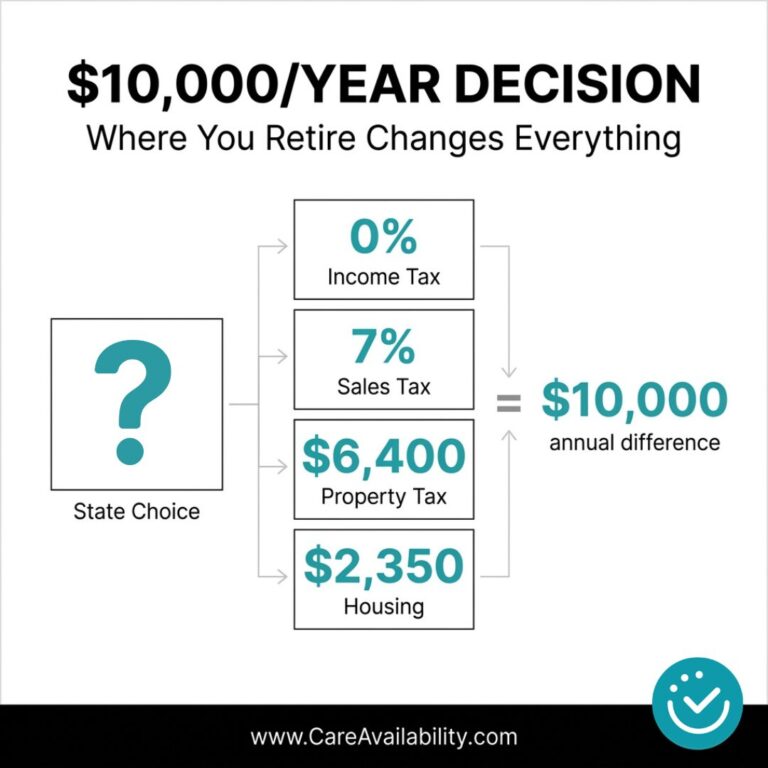
Florida's Memory Care landscape benefits from specialized dementia care programs at Mayo Clinic Jacksonville, Cleveland Clinic Lou Ruvo Center, which conducts research and provides clinical expertise supporting Memory Care communities statewide. The state has no income tax, helping families afford the higher costs of specialized Memory Care services. Florida Medicaid operates the Assisted Living for the Elderly Waiver program, which may cover Memory Care services for eligible seniors who meet both financial and level-of-care requirements.
Many Memory Care communities in Florida offer secured outdoor areas, memory-enhancing activities, and specialized staff training in validation therapy, redirection techniques, and person-centered dementia care. The major metropolitan areas have the highest concentration of dedicated Memory Care facilities and specialized dementia care units.
What Is Memory Care?
Memory care is a specialized form of senior residential care designed for individuals diagnosed with Alzheimer's disease, dementia, or other progressive cognitive conditions. More than 6 million Americans are currently living with Alzheimer's disease, a number projected to nearly double by 2050. (Alzheimer's Association, 2023)
Unlike standard assisted living, memory care communities employ staff members who have received specialized training in dementia care techniques and behavioral management. These communities maintain higher staff-to-resident ratios, implement secured environments to prevent wandering, and build programming around cognitive stimulation and emotional engagement specific to dementia progression.
Memory care may operate as a standalone community or as a dedicated wing within a larger senior care campus such as a Continuing Care Retirement Community (CCRC). Regardless of the setting, the defining characteristics remain consistent: a secure environment, specialized staff, and care that honors each resident's history and preferences.
Key distinction: Memory care is not a nursing home. Nursing homes provide 24-hour skilled medical and nursing care. Memory care prioritizes a residential, home-like setting with specialized programming and safety infrastructure specifically designed for cognitive impairment.
Memory Care vs. Assisted Living: What Is the Difference?
Types of Senior Living: Where Memory Care Fits
Memory care fits within a broader spectrum of senior living options. Understanding the differences helps families match care needs to the right setting:
- Independent Living -- Private apartments for seniors who live independently but want community amenities and social connection.
- Assisted Living -- Housing with personal care support for daily activities. Residents do not require 24-hour nursing care or a secured environment.
- Memory Care -- Secured, specialized residential care for individuals with Alzheimer's or other dementias. Higher staffing ratios and dementia-specific programming.
- Care Home / Adult Family Home -- Small-scale private residences, typically 5 to 12 residents, providing care in a home-like setting.
- Skilled Nursing -- Licensed facilities for residents requiring rehabilitative or medical care 24 hours a day.
- CCRC (Continuing Care Retirement Community) -- Campuses that include multiple levels of care, often from independent living through skilled nursing, on one property.
The Benefits of Memory Care
Memory care communities provide environments specifically designed to support the unique needs of individuals living with Alzheimer's disease and other forms of dementia. Research shows that structured routines, familiar surroundings, and purposeful activities can reduce behavioral symptoms and improve quality of life in people with cognitive impairment. (National Institute on Aging)
The safety infrastructure within memory care communities addresses a core challenge of dementia care: wandering. An estimated 60 percent of individuals with dementia will wander at some point, creating serious safety risks at home or in standard residential settings. (Alzheimer's Association)
What Memory Care Communities Provide
- Specialized staff training: Staff are trained in dementia care techniques including redirection, validation therapy, and behavioral management. This is the most important differentiator between memory care and standard assisted living.
- Secure environment: Controlled access points, keypad-locked doors, enclosed outdoor spaces, and monitoring systems prevent wandering and protect resident safety without creating an institutional feel.
- Structured daily routines: Consistent meal times, activity schedules, and familiar routines reduce confusion and provide the predictability that dementia residents need to feel secure.
- Therapeutic activities: Music therapy, art programs, sensory stimulation, and outdoor time are designed specifically to engage cognitive function and reduce agitation.
- Higher staff-to-resident ratios: More attentive, individualized care than standard assisted living means residents receive supervision and support tailored to their changing needs.
- Family support: Education programs, support groups, and regular care communication help families stay informed and connected throughout the care journey.
Standard Services Included in Memory Care
Most memory care communities include the following services as part of the monthly rate:
- Assistance with activities of daily living (bathing, dressing, toileting)
- Round-the-clock access to trained caregiving staff
- Medication management and health monitoring
- Three daily meals plus snacks, adapted for residents' needs
- Transportation to medical appointments and scheduled outings
- Housekeeping and laundry services
- Life enrichment and activity programming
- Interior and exterior maintenance
Important note on variation: State licensing requirements for memory care vary widely across the United States. Staffing ratios, physical plant requirements, and allowable care levels differ by state. When evaluating communities, always request a copy of the most recent state inspection report. A question worth asking every community: "How do your care standards exceed the minimum state requirements?"
How to Pay for Memory Care
Memory care typically costs more than standard assisted living due to specialized staff training and higher caregiver ratios. For these services, Medicare is NOT an option for payment.Understanding what payment sources are available, and what they do not cover, is the most important financial planning step families can take.
Medicare: No
- Medicare does not cover memory care, assisted living, or other long-term residential care.
- Medicare is designed for short-term medical and rehabilitative care, not ongoing custodial living.
- People 65 and older and individuals with end-stage renal disease are eligible for Medicare benefits regardless of income -- but that eligibility does not extend to memory care costs.
Private Pay: Yes
The majority of families pay for memory care through a combination of personal and family funds. Common sources include:
- Personal savings and retirement accounts (IRA, 401k)
- Social Security and pension income
- Proceeds from the sale of a home
- Family contributions from adult children or other relatives
Medicaid: Maybe
Medicaid coverage for memory care varies entirely by state. Not all memory care communities accept Medicaid, and Medicaid typically requires spending down assets before qualifying.
- Most states have a Home and Community-Based Services (HCBS) waiver program that may cover memory care settings.
- Eligibility is based on income, assets, age, and medical need.
- The state determines what levels of care are covered, who qualifies, and how much the state will reimburse the community.
- If you are unsure whether you qualify, apply. A Medicaid planning specialist or elder law attorney can help navigate your state's specific rules.
Long-Term Care Insurance: Maybe
Long-term care insurance can be one of the most effective ways to plan ahead for memory care costs. Nearly 75 percent of people over the age of 65 will require some form of long-term care. (U.S. Department of Health and Human Services)
- Policies purchased in a person's 50s or 60s typically offer the best rates and broadest coverage.
- Long-term care insurance helps cover costs of chronic conditions, including dementia-related care.
- Review your policy carefully -- coverage amounts, elimination periods, and daily benefit caps vary widely between policies.
Veterans Aid and Assistance: Maybe
The VA Aid and Attendance benefit is available to eligible veterans and surviving spouses who require help with daily activities, including those residing in memory care communities.
- A qualifying veteran may receive up to $2,050 per month.
- A veteran with a sick spouse may be eligible for up to $1,600 per month.
- A surviving spouse of a veteran may qualify for up to $1,300 per month.
- Contact your local VA or a Veterans Service Officer (VSO) to assess eligibility under specific service and financial requirements.
How to Choose a Memory Care Community
Choosing a memory care community is one of the most consequential decisions a family will make. The right community does more than provide safe housing -- it provides meaningful daily life for a loved one at a vulnerable time. Approach the evaluation methodically and visit more than once before deciding.
Key Factors to Evaluate
- Staff qualifications and training: Ask specifically about dementia training requirements and what ongoing education staff receive. Ask how long the average staff member has worked there -- high turnover is a red flag.
- Staff-to-resident ratio: Memory care should have more staff per resident than standard assisted living. Ask for the ratio during day and evening shifts, not just the best-case scenario.
- Security measures: Look for secured entrances, wander-prevention technology, alarmed doors, and enclosed outdoor spaces that allow safe fresh air and movement.
- Care philosophy: Does the community use a person-centered care approach that honors individual histories, preferences, and routines? Ask how staff learn about a new resident's life story.
- Activity programming: Look for meaningful, therapeutic activities rather than generic entertainment. Music therapy, reminiscence programs, sensory activities, and gentle movement are signs of quality programming.
- Family involvement: Ask about visiting policies, family communication practices, and whether care conferences are held regularly. How are family members notified of changes in condition?
- Ability to accommodate progression: Can the community continue providing care as the disease advances? Understand what triggers a move to a higher level of care and what that transition looks like.
What to Observe During Your Visit
Do not just follow the tour. Pay attention to what you see on your own:
- Cleanliness and maintenance: Are doorknobs secure? Is carpet free of trip hazards? Is there an odor? These details reflect operational standards throughout the community.
- Staff and resident interaction: Do staff make eye contact, use first names, and respond with patience? Tone and body language reveal the culture more than words do.
- Resident demeanor: Do residents appear calm, engaged, and comfortable? Observe during an activity and during a transition time.
- Dining: Visit during a meal. Observe what residents are eating, how staff interact during service, and whether the dining experience feels calm and dignified.
Questions Worth Asking
- What is the staff-to-resident ratio on each shift, including nights and weekends?
- What care level would require a resident to move out of the community?
- How are changes in a resident's care plan communicated to family members?
- What has staff turnover looked like over the past year?
- How does the community handle medical emergencies?
- What does the transition process look like if a resident's needs increase?
- Is there a nurse on site? During what hours? Is more than one nurse on staff?
- Who administers medication -- a licensed nurse, med-aide, or med-tech?
Meet the Leadership
Get to know the Executive Director, Director of Nursing or Care, Lead Activities Director, and even the Chef or Janitor. If you feel confident and comfortable in those conversations, trust that signal. Leadership culture shapes every interaction in the building. A community where the Executive Director knows residents by name is a community that takes care seriously.
Review the state inspection report. Before making a final decision, request a copy of the community's most recent state licensing inspection. These reports are public record and document any deficiencies cited during regulatory review. Ask the community directly: how were any cited issues resolved?
Frequently Asked Questions
Common Questions About Memory Care in Florida
What is Memory Care?
Memory care is a specialized form of senior residential care designed for individuals living with Alzheimer's disease, dementia, or other progressive cognitive conditions. Memory care communities offer secured environments, dementia-trained staff, higher caregiver-to-resident ratios, and structured programming designed to support residents with memory loss. They may operate as standalone communities or as dedicated wings within a larger senior care campus.
When is it time for Memory Care?
Memory care may be the right option when a loved one with dementia is experiencing frequent wandering, repeated safety incidents at home, significant behavioral changes such as aggression or severe agitation, or requires more supervision than family caregivers can safely provide. A geriatrician, neurologist, or social worker can help families evaluate readiness and timing. Safety and quality of life for both the individual and their caregivers are the primary signals.
Can someone with early-stage dementia live in memory care?
Yes, and in many cases an earlier move works in the resident's favor. People in the early stages of dementia are better able to adjust to a new environment, build relationships with staff, and participate in programming while their cognitive abilities are still relatively intact. Waiting until a crisis -- a fall, a wandering incident, caregiver burnout -- often means the transition happens under more difficult circumstances. That said, early-stage individuals may also do well in assisted living or at home with support services, depending on their specific needs and living situation. The right timing is different for every family.
What stage of dementia requires memory care?
- There is no single stage that automatically triggers a move to memory care. The decision is based on safety, caregiver capacity, and quality of life rather than a clinical stage alone. Memory care is typically considered when a person with dementia:Wanders or becomes lost and cannot be safely supervised at home
- Experiences significant behavioral changes such as aggression, severe agitation, or sundowning
- Requires more hands-on supervision than family caregivers can safely provide
- Has had repeated safety incidents such as falls, leaving the stove on, or getting lost
- Is no longer benefiting from home care or standard assisted living support
A geriatrician, neurologist, or geriatric care manager can help families evaluate whether the timing is right. Many families wait longer than they need to -- earlier transitions often allow residents to adjust more successfully to a new environment.
What activities are provided in memory care?
Memory care activity programming is specifically designed to engage residents with cognitive impairment in meaningful, therapeutic ways. Common activities include:Music therapy: Familiar music has been shown to reduce agitation and improve mood in people with dementia.
- Reminiscence programs: Structured conversations and activities centered on long-term memories, which are often better preserved than short-term recall.
- Art and creative programs: Drawing, painting, and crafts adapted for varying ability levels.
- Sensory stimulation: Activities using touch, scent, and texture to engage residents who are less verbal.
- Gentle movement and exercise: Chair yoga, walking groups, and adapted fitness to support physical health and reduce restlessness.
- Outdoor time: Secured courtyards and garden spaces for fresh air and nature exposure.
- Intergenerational programs: Some communities partner with schools or community groups to bring visitors in for regular interaction.
When touring a community, ask to see the activity calendar and observe a session in progress. The quality of programming is one of the clearest indicators of how much a community invests in residents' daily quality of life.
How much does Memory Care cost?
The national median cost of memory care is approximately $5,000 per month, or roughly $60,000 per year. Memory care is typically 20 to 30 percent more expensive than standard assisted living, reflecting higher staffing ratios and specialized security infrastructure. Costs vary significantly by location, community type, and level of care needed. (Genworth Cost of Care Survey, 2023)
What is the difference between Memory Care and Assisted Living?
Memory care and assisted living are both residential senior care settings, but they serve different populations. Assisted living supports seniors who need help with daily activities but do not require specialized cognitive care. Memory care is designed specifically for individuals with Alzheimer's disease and dementia, featuring secured environments, dementia-specific staff training, and structured programming designed for cognitive decline. Memory care typically costs 20 to 30 percent more per month than assisted living.
Is memory care the same as a nursing home?
No. Memory care and nursing homes are different levels of care, and the distinction matters. Nursing homes -- also called skilled nursing facilities -- provide 24-hour medical and nursing care for residents with complex or acute health needs. Memory care prioritizes a residential, home-like setting with specialized programming, dementia-trained staff, and safety infrastructure designed specifically for cognitive impairment. A person in memory care does not necessarily need the level of medical oversight that a nursing home provides. When evaluating options for a loved one with dementia, memory care is often the more appropriate and less clinical choice -- unless significant medical needs are present.
How long do people typically stay in memory care?
The average length of stay in memory care varies depending on the stage of dementia at the time of admission and the individual's overall health. On average, residents live in memory care for two to three years, though stays ranging from several months to five or more years are common. (Alzheimer's Association) Planning for a multi-year stay is important when evaluating payment options and choosing a community that can support progression through later stages of the disease.
What happens when memory care is no longer enough?
As dementia progresses to its later stages, some residents develop medical needs that exceed what a memory care community is licensed to provide. When this happens, a transition to a skilled nursing facility may become necessary. Common triggers include the need for a feeding tube, IV medications, wound care requiring licensed nursing oversight, or around-the-clock medical monitoring. A quality memory care community will communicate openly with families about this possibility well before a crisis occurs, outlining what specific care needs would require a transition and what that process looks like. When choosing a memory care community, ask directly: "At what point would my loved one need to leave, and how would that transition be handled?" This is one of the most important questions a family can ask.
Can family visit anytime in memory care?
Most memory care communities welcome family visits and recognize that family involvement is important to resident wellbeing. Because the environment is secured to protect residents, there is typically a check-in process at the entrance -- but this is for safety, not to restrict family access. Visit hours and policies vary by community. Some have open visiting hours while others ask that visits be scheduled around meals and activities to minimize disruption to residents' routines. Ask about visiting policies during your tour, and pay attention to how the community communicates with families about care updates and changes in condition. Regular, transparent communication is a sign of a well-run community.
Can a couple live together in memory care?
In many cases, yes. Some memory care communities offer shared rooms or companion suites that allow couples to live together, even if only one partner has a dementia diagnosis. Policies vary by community -- some welcome both partners regardless of diagnosis, while others require both residents to meet certain care criteria. If keeping a couple together is a priority, ask about this directly when touring communities. It is one of the most important and under asked questions in the search process.
How do I find Memory Care near me?
CareAvailability.com provides a searchable directory of memory care communities across the United States. You can search by ZIP code or city, compare communities side by side, and connect directly with local providers. When you find communities of interest, schedule in-person tours, ask about state inspection reports, and take time to observe staff interactions with current residents before making a decision.
Assisted Living Costs in Florida
Average monthly costs compared to the national median and neighboring states.
Neighboring States Comparison
| State | Monthly Cost | vs. Florida |
|---|---|---|
| Florida | $5,324 | — |
| Alabama | $4,572 | -14.1% |
| Georgia | $4,940 | -7.2% |
Cost data from the Genworth/CareScout 2024 Cost of Care Survey, the newest with state-level data. Costs may vary by facility and care needs.
Related Articles
Guides & Resources for Memory Care in Florida
Citations & Sources
- Florida Department of Health. Memory Care and Special Care Unit Regulations. 2025.
- Florida Medicaid. Dementia Care Waiver Programs. 2025.
- Genworth Financial / CareScout. 2024 Cost of Care Survey - Florida Memory Care. 2024. genworth.com/aging-and-you/finances/cost-of-care.html
- Alzheimer's Association. 2024 Alzheimer's Disease Facts and Figures. 2024. alz.org
- U.S. Census Bureau. American Community Survey 2023, Table S0101 - Florida. data.census.gov
- Florida Alzheimer's Disease Research Center. Clinical Programs and Community Resources. 2025.
- National Institute on Aging. Alzheimer's Disease and Related Dementias. 2024. nia.nih.gov
- National Center for Assisted Living. Memory Care Regulations and Best Practices. 2024. ahcancal.org
Explore
Other Senior Care in Florida
Browse other types of senior care available in Florida.
Adult Care Homes
Smaller residential homes providing personalized care in a home-like setting.
View in FloridaAssisted Living
Residential communities offering help with daily activities, meals, and medication management.
View in FloridaHome Care
Non-medical assistance with daily living activities delivered in your home.
View in FloridaHome Health
Licensed medical care provided by nurses and therapists in your home.
View in FloridaHospice Care
Comfort-focused care for individuals with terminal illness and their families.
View in FloridaIndependent Living
Active retirement communities for seniors who want maintenance-free living.
View in FloridaSkilled Nursing
Facilities providing 24-hour nursing care for complex medical needs.
View in FloridaNeed Help Finding Memory Care in Florida?
Use our search tool to find memory care providers in Florida. Contact them directly. No middleman, no referral fees.