Assisted Living
Assisted Living in Tennessee
Browse 324 providers across 5 cities in Tennessee. Page updated · Provider listings and openings update live.
Search Providers in TennesseeExplore by City
Cities in Tennessee
No cities match your search.
Learn More
Understanding Assisted Living in Tennessee
Assisted Living in Tennessee
Assisted living in Tennessee provides housing, personal care, and daily support services for older adults who need help with activities of daily living but do not require continuous skilled nursing care. Facilities are licensed by the Tennessee Department of Health under the designation Assisted-Care Living Facility (ACLF), governed by Tennessee Code Annotated Title 68.
Families typically begin considering assisted living when a loved one is no longer safely managing daily tasks at home, when medication management becomes a concern, or when family caregiver capacity reaches its limits. This page covers how assisted living is defined in Tennessee, what regulations apply, what it typically costs, how families pay including Medicaid options, and answers to frequently asked questions. Tennessee has no state income tax and does not tax Social Security, pensions, or retirement income, and is a growing retirement destination with facilities concentrated in Nashville, Memphis, Knoxville, Chattanooga, and Clarksville, and the state's CHOICES Medicaid program available to eligible seniors.
Assisted Living Licensing and Regulations for Tennessee
- Official State License Name
- Assisted-Care Living Facility (ACLF)
- Licensing Agency
- Tennessee Department of Health / Department of Human Services
- License Type
- Assisted Living Facility
- License Renewal
- Annual
State Definition
A facility that provides housing, meals, and personal care services to adults who need assistance with activities of daily living but do not require continuous nursing facility care. Licensed by the Tennessee Department of Health under Tennessee Code Annotated Title 68.
Memory Care
Memory care may be provided within a licensed Assisted-Care Living Facility. Facilities operating secured memory care units or offering Alzheimer's and dementia-specific programming must meet enhanced staff training, secured environment, and individualized care planning requirements. Tennessee does not require a separate license category for memory care but enforces additional standards for facilities serving residents with cognitive impairment.
Assisted Living Resources & Links for Tennessee
Tennessee Department of Aging provides the state's ADRC network and helps seniors and families navigate assisted living options, Medicaid eligibility, and connections to local Area Agencies on Aging throughout the state.
Tennessee Medicaid administers the CHOICES program, which may cover assisted living services for eligible seniors who meet both financial and functional requirements. Contact the state Medicaid office for eligibility screening and enrollment information.
Tennessee Long-Term Care Ombudsman advocates for residents in assisted living facilities statewide and investigates complaints about care quality, residents' rights violations, and facility operations.
Tennessee ADRC connects Tennessee seniors with local aging services, assisted living facility information, support groups, and caregiver resources.
Eldercare Locator helps Tennessee families find local senior services and support programs across the state.
The Assisted Living Landscape in Tennessee
Tennessee's assisted living landscape benefits from major medical centers including Vanderbilt University Medical Center, UT Medical Center, St. Jude Children's Research Hospital, which provide specialized geriatric care and support for assisted living residents. The state has humid subtropical with four distinct seasons, which suits seniors seeking four-season living.
Tennessee has no state income tax and does not tax Social Security, pensions, or retirement accounts, helping retirement income stretch further in assisted living. Tennessee Medicaid operates the CHOICES program, which covers assisted living services for eligible seniors who meet both financial and nursing facility level of care requirements. The largest concentration of assisted living facilities is in the major metropolitan areas listed above, with growing options in suburban and smaller communities throughout the state.
Medicaid eligibility for assisted living is determined individually, based on both financial need and a demonstrated level of care requirement - not every senior will qualify. Even when Medicaid eligibility is confirmed, not every assisted living community accepts Medicaid as a payment source. Families are encouraged to ask individual communities about their Medicaid acceptance policies before scheduling visits or making placement decisions.
What is Assisted Living?
Assisted living is a licensed residential care option for older adults who need support with daily activities but don't require the intensive medical care of a skilled nursing facility. Most residents live in their own private apartment within a community and receive personalized help with tasks like bathing, dressing, medication management, and meals — while maintaining independence and control over their daily routines.
More than 818,000 Americans currently live in assisted living communities. The average resident is 87 years old.
What sets assisted living apart is the balance it strikes. Trained staff are available around the clock, but residents direct their own care. It is not a hospital. It is not a nursing home. It is a residential setting built around real daily life.
Each state regulates assisted living under its own licensing structure, which means available services, staffing requirements, and quality standards vary by location. When comparing communities, always review your state's most recent inspection reports alongside any community-provided materials.
What's Included in Assisted Living?
Most assisted living communities include housing, meals, personal care assistance, activities, and 24-hour staffing in a monthly rate. Services beyond the base package are typically available for additional fees.
Personal Care: Help With Daily Activities (ADLs)
All licensed assisted living communities provide assistance with activities of daily living (ADLs). These form the foundation of care:
- Bathing and personal hygiene
- Dressing and grooming
- Medication management and reminders
- Eating assistance as needed
- Toileting and incontinence management
- Transferring (bed to chair, standing, etc.)
What's Typically Included in the Monthly Rate
Most communities bundle the following into their base fee:
- Three daily meals in a communal dining room
- Light housekeeping and laundry service
- Scheduled transportation to appointments and errands
- Utilities (heat, electric, water)
- 24-hour staffing and emergency call systems
- Social activities and wellness programming
Living Spaces
Apartments are typically private, self-contained units that include:
- A private bathroom
- Lockable door
- Kitchenette facilities (full kitchen availability varies by community)
- Enough space for personal furniture and belongings
Residents are strongly encouraged to bring personal furniture, photos, and meaningful objects. The research on this is clear: familiar surroundings reduce anxiety and support cognitive function during the transition. (Source: National Institute on Aging)
Social and Enrichment Programming
A strong activities program is not just an amenity. It is a health indicator. Regular social engagement is associated with significantly lower rates of depression and cognitive decline in older adults. (Source: National Institute on Aging)
Look for communities offering:
- Fitness, yoga, or movement classes
- Arts, crafts, and creative programs
- Spiritual and reflective programming
- Interest clubs and game nights
- Off-site outings and excursions
- Intergenerational programs
An Important Note on Variation
- State regulations shape what services assisted living communities are permitted to provide. In some states, communities can offer higher-level care including skilled nursing services. In others, there are strict limits on medical care. Ask each community directly: what care level would require a resident to move? This is one of the most important questions a family can ask.
How to Pay for Assisted Living
Most families pay for assisted living through a combination of sources. Understanding what's available, and what isn't, is the most important financial step in the process.
Medicare: No
Medicare does not cover assisted living. This is the most common financial misconception in senior care. Medicare is designed for short-term medical care and does not pay for residential or custodial care in an assisted living setting.
Private Pay: Yes
Private funds cover the majority of assisted living costs for most families. Common sources include:
- Personal savings and retirement accounts (IRA, 401k)
- Social Security income
- Pension payments
- Proceeds from the sale of a home
- Family contributions
Planning ahead matters here. The average assisted living stay is approximately 22 months. At the national median, that's roughly $110,000 over the course of a typical stay. Budget with a realistic time horizon.
Medicaid: Maybe
Medicaid may cover some assisted living costs — but eligibility and coverage vary entirely by state.
Key facts:
- Most states have a Home and Community-Based Services (HCBS) waiver program that can include assisted living
- Eligibility is based on income, assets, age, and medical need
- Not all assisted living communities accept Medicaid
- Medicaid typically requires spending down assets before qualifying
If you are unsure whether you qualify, apply. Eligibility is more nuanced than most people expect, and a Medicaid planning attorney or social worker can help navigate your state's specific rules.
Long-Term Care Insurance: Maybe
Long-term care (LTC) insurance is specifically designed for situations like assisted living. Most policies activate when a person needs assistance with two or more ADLs.
According to the U.S. Department of Health and Human Services, nearly 70% of adults over 65 will require some form of long-term care. Purchasing LTC insurance in your 50s or early 60s, before health conditions develop, is significantly more affordable than waiting.
If an existing policy is in place, review the benefit triggers, daily benefit amount, elimination period, and inflation protection provisions carefully before choosing a community.
Veterans Aid and Attendance Benefit: Maybe
The VA Aid and Attendance benefit provides financial support for eligible veterans and surviving spouses who need help with daily activities. As of 2024, the maximum monthly benefit amounts are approximately:
- Veteran without a dependent: $2,300/month
- Veteran with a dependent spouse: $2,727/month
- Surviving spouse of a veteran: $1,478/month
(Source: U.S. Department of Veterans Affairs, 2024)
Eligibility includes service history, financial need, and level of care required. A VA-accredited claims agent can determine eligibility at no charge.
Other Programs
- The United States has more than 400 federal, state, and local programs that may offer financial assistance for senior care. Your local Area Agency on Aging (AAA) is the best starting point for identifying programs specific to your location. Find yours at eldercare.acl.gov or by calling 1-800-677-1116.
How to Choose an Assisted Living Community
Choosing an assisted living community is one of the most significant decisions a family makes. The right process involves research before you visit, careful observation during the visit, and honest conversations with leadership.
Before You Schedule a Visit
- Request a full fee schedule, not just the base rate
- Verify the community holds a current state license
- Review the most recent state inspection report (available through your state's licensing agency)
- Ask about the current resident census and average care level — this tells you whether the community is a realistic fit
What to Observe During Your Visit
Do not just follow the tour. Pay attention to what you see on your own:
- Cleanliness and maintenance: Frayed carpet, broken fixtures, or deferred repairs are not minor details. They reflect operational standards.
- Staff and resident interaction: Are staff warm and engaged, or transactional?
- Resident demeanor: Do residents appear comfortable, social, and occupied?
- Dining: Visit during a meal. Ask to see the menu. Nutrition and mealtime atmosphere are among the clearest windows into how a community operates.
Questions Worth Asking
- What is the staff-to-resident ratio on each shift, including nights and weekends?
- What care level would require a resident to move out of the community?
- How are changes in a resident's care plan communicated to family members?
- What has staff turnover looked like over the past year?
- How does the community handle medical emergencies and hospitalizations?
- What does the transition process look like if a resident's needs increase?
Meet the People Who Run the Building
Get to know the Executive Director, Director of Care or Nursing, and Activities Director. If you feel comfortable and confident in those conversations, trust that signal. Leadership culture shapes everything else in a community.
Include the Person Who Will Live There
Whenever possible, bring your loved one to the visit. Their comfort with the space, the staff, and the community itself is the most important factor of all. A beautiful community that doesn't feel right to the resident is not the right community.
Frequently Asked Questions
Common Questions About Assisted Living in Tennessee
What is the difference between assisted living and independent living?
Independent living is designed for older adults who are largely self-sufficient but want the convenience, community, and social engagement of a residential senior community. There is typically no personal care assistance included. Assisted living, by contrast, provides hands-on support with daily activities like bathing, dressing, and medication management.
Think of it this way: independent living is about lifestyle and convenience; assisted living is about care support. Many communities offer both on the same campus, which allows residents to transition from one to the other as needs change without moving to an entirely new location.
What happens if my health declines- will I have to move out of assisted living?
It depends on the community and your state's regulations. This is one of the most important questions to ask before choosing a community.
Some assisted living communities offer tiered care levels that allow residents to age in place even as needs increase. Others have a defined ceiling on the care they are licensed to provide, and residents who exceed that level are required to transition to a higher level of care, such as memory care or a skilled nursing facility.
Ask every community you visit: "What care level or diagnosis would require a resident to move out?" The answer tells you how much long-term security that community can realistically provide.
How do I talk to a parent who refuses to consider assisted living?
This is one of the most emotionally difficult conversations families face, and there is no single right approach. A few things that tend to help:
- Lead with listening, not persuading. Find out what specifically worries them. Fear of losing independence, fear of dying, or fear of being a burden each require a different conversation.
- Visit together before any decisions. Many people's resistance is based on an outdated image of what these communities look like. An in-person visit without pressure often shifts the conversation.
- Involve their physician. A doctor raising the same concerns carries different weight than a family member.
- Focus on what they gain, not what they lose. Social connection, safety, and relief from home maintenance are real benefits, not consolation prizes.
- Give it time. This is rarely a single conversation. Plant the seed, come back to it gently, and let the idea settle.
A geriatric care manager can also facilitate these conversations and provide an objective third-party perspective that takes some of the emotional weight off the family.
How long does it take to move into assisted living?
The timeline varies, but most families can complete the process in two to six weeks once a community is selected. However, it is possible to move into Assisted Living within a day or so if all required assessments and paperwork are completed quickly.
The general steps:
- Tour communities and compare options (1–4 weeks, or longer if the search is broad)
- Complete the community's health assessment and financial paperwork (3–7 days)
- Confirm unit availability and sign the residency agreement
- Coordinate the physical move
The biggest variable is unit availability. Popular communities in high-demand areas may have waitlists of several months, particularly for specific unit types or care levels. If you are planning ahead rather than responding to a crisis, getting on a waitlist at preferred communities early is worthwhile even if the move is not imminent.
Can I bring my pet to assisted living?
Many assisted living communities are pet-friendly, but policies vary widely. Some welcome cats and small dogs; others allow pets only in certain buildings or with specific restrictions on size, breed, or number.
If having a pet is a priority, ask about it early in the search process rather than after you have fallen in love with a community. Specific things to ask:
- What pets are permitted, and are there size or breed restrictions?
- Are there additional fees or deposits for pet owners?
- What happens to the pet if the resident is hospitalized or can no longer care for it?
For many residents, a pet is not a lifestyle preference but a genuine source of emotional wellbeing and routine. It is a fair and important question to ask.
What is Assisted Living?
Assisted living is a residential option for seniors who need help with daily activities like bathing, dressing, and medication management but don't need full-time nursing care. Communities typically provide private apartments, meals, social activities, and 24-hour staff support.
What is the difference between Assisted Living and Skilled Nursing?
Assisted Living and Skilled Nursing serve different senior care needs across the United States. Assisted Living communities provide support with daily activities like bathing, dressing, and medication management while encouraging residents to maintain independence and privacy. Skilled Nursing-(sometimes called Nursing homes), by contrast, offer 24-hour skilled medical care for seniors with complex health conditions requiring constant monitoring and clinical intervention. The key distinction lies in the level of medical supervision; Assisted Living works well for seniors who need help with activities of daily living but remain relatively stable health-wise, while nursing homes are appropriate when intensive medical care becomes necessary. Assisted Living typically costs less than nursing home care and maintains a residential atmosphere, making it an attractive option for many seniors seeking support without institutional settings.
How do I know when it's time for Assisted Living?
The decision to transition to Assisted Living is deeply personal, and recognizing the right timing can significantly impact quality of life for seniors across the United States.
Consider exploring senior care options:
- if you or a loved one are experiencing difficulty with activities of daily living such as bathing, dressing, or meal preparation
- struggling to manage medications safely
- experiencing frequent falls or mobility challenges
- feeling socially isolated at home.
- home maintenance is an ongoing struggle
Family caregivers often recognize the need first, particularly when providing care becomes physically or emotionally exhausting. If safety concerns are mounting, professional support through Assisted Living can provide the structure, medical oversight, and social engagement that promote independence while ensuring well-being. Speaking with a geriatric care manager or your primary physician can help clarify whether this senior care option aligns with your specific needs and circumstances.
Does Medicare or Medicaid cover Assisted Living?
Medicare does not cover assisted living costs. However, many states offer Medicaid waiver programs that can help pay for assisted living for eligible individuals. Coverage varies significantly by state, so check your state's Medicaid program for details.
How do I find Assisted Living near me?
Use our search tool at the top of this page to find assisted living communities in your area. You can filter by location, services, and more. We recommend visiting multiple communities, asking about care plans, and speaking with current residents before making a decision.
Assisted Living Costs in Tennessee
Average monthly costs compared to the national median and neighboring states.
Neighboring States Comparison
| State | Monthly Cost | vs. Tennessee |
|---|---|---|
| Tennessee | $4,600 | — |
| Alabama | $4,572 | -0.6% |
| Arkansas | $4,724 | +2.7% |
| Georgia | $4,940 | +7.4% |
| Kentucky | $4,900 | +6.5% |
Cost data from the Genworth/CareScout 2024 Cost of Care Survey, the newest with state-level data. Costs may vary by facility and care needs.
Related Articles
Guides & Resources for Assisted Living in Tennessee
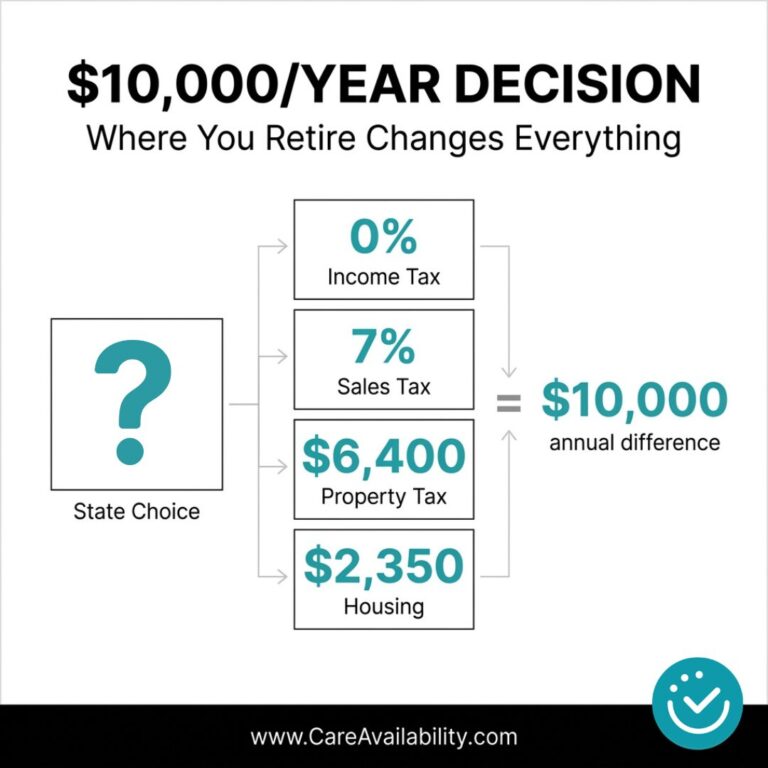
Where You Retire Can Mean Tens of Thousands of Dollars Over a Decade: A Practical Guide to State-by-State Differences
The Question Most Retirement Plans Skip Most retirement planning conversations focus on when to retire. How much to save. When…
Read article
Hello Missouri!
CareAvailability site expands into Missouri to help families navigate care and senior housing options. CareAvailability is proud to announce its expansion…
Read articleCitations & Sources
- Tennessee Department of Health. Assisted Living Facility Licensure and Regulation. 2025.
- Tennessee Medicaid. CHOICES program Program. 2025.
- Tennessee Department of Aging. Senior Services and Assisted Living Resources. 2025.
- Centers for Medicare and Medicaid Services. State HCBS Waiver Programs. 2024. medicaid.gov
- National Center for Assisted Living. State Regulatory Review 2024 - Tennessee. 2024. ahcancal.org
Explore
Other Senior Care in Tennessee
Browse other types of senior care available in Tennessee.
Adult Care Homes
Smaller residential homes providing personalized care in a home-like setting.
View in TennesseeHome Care
Non-medical assistance with daily living activities delivered in your home.
View in TennesseeHome Health
Licensed medical care provided by nurses and therapists in your home.
View in TennesseeHospice Care
Comfort-focused care for individuals with terminal illness and their families.
View in TennesseeIndependent Living
Active retirement communities for seniors who want maintenance-free living.
View in TennesseeMemory Care
Specialized care for individuals living with Alzheimer's or other forms of dementia.
View in TennesseeSkilled Nursing
Facilities providing 24-hour nursing care for complex medical needs.
View in TennesseeNeed Help Finding Assisted Living in Tennessee?
Use our search tool to find assisted living providers in Tennessee. Contact them directly. No middleman, no referral fees.